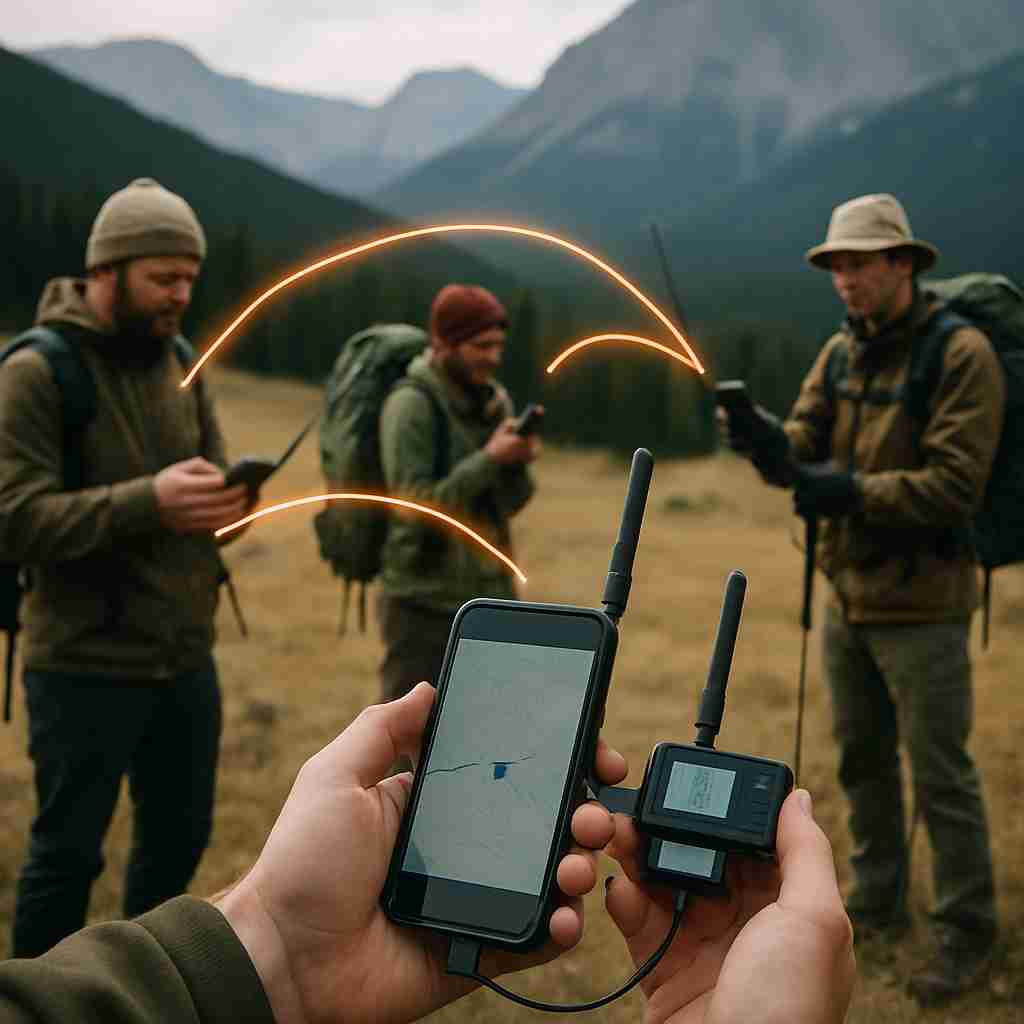
Discover the power of mesh networks and how Meshtastic devices leverage this technology to provide reliable off-grid communication. From understanding mesh network basics to setting up and utilizing Meshtastic devices, this article guides you through creating an efficient, decentralized communication system when traditional networks fail.
Understanding Mesh Network Fundamentals
Mesh networks operate on a fascinating principle: they use a decentralized structure where multiple nodes communicate directly with one another rather than relying on a single central point. This topology allows for data to seamlessly flow across the network, where nodes not only send information but also cooperate to route it efficiently. It’s like having a group of friends passing a note around, where each person adds their own touch before it reaches the intended recipient.
One standout advantage of mesh networks is their ability to self-organize and self-heal. If one node (or friend, in our analogy) goes offline or experiences issues, the remaining nodes can automatically find alternative routes to transmit data. This results in impressive fault tolerance, meaning the network can keep functioning even with some disruptions. Furthermore, maintenance is significantly reduced, since the network doesn’t rely on complex systems or centralized management.
Now, let’s touch on the difference between wired and wireless mesh networks. While wired networks may use cables and physical connections, wireless mesh networks leverage radio nodes to communicate over the air. This makes them incredibly flexible and scalable, especially in off-grid environments where running wires isn’t practical.
However, it’s crucial to understand that challenges exist. Interoperability can be a concern, where different mesh networks may struggle to communicate with each other. Plus, network reliability factors, such as signal strength and interference, can impact performance. By grasping these fundamentals, you’ll be better equipped to harness the remarkable potential of mesh networks.
Introduction to Meshtastic Technology
Meshtastic technology serves a unique purpose by creating a decentralized wireless off-grid mesh network. Built on LoRa (Long Range) technology, Meshtastic allows for low-power, long-range communication without the need for conventional cellular networks. Its main aim? To keep people connected when they’re away from urban infrastructure or traditional communication systems.
The beauty of Meshtastic lies in its ability to rebroadcast messages. When one device sends out a message, it can be received by nearby devices, which then pass it along. This interactive relay system expands the reach of communications across vast and challenging terrains, making it especially useful for outdoor enthusiasts, communities in remote areas, or emergency responders. Think of it as your own personal communication lifeline when you’re off the grid.
Unlike many other tech projects, Meshtastic has blossomed through community-driven development. A dedicated group of enthusiasts and developers continually enhance its functionality, ensuring it meets real-world needs. Typical hardware components used in Meshtastic devices include the ESP32 and nRF52840 microcontrollers, known for their efficiency and range, as well as GNSS receivers for location tracking. These components work together to deliver reliable text messaging and data transmissions that you can count on when you need them the most. The spirit of collaboration really shines here, as users share their insights, improvements, and experiences, fostering a culture of innovation and support within the Meshtastic community.
Setting Up and Using Meshtastic Devices Off Grid
Setting up your Meshtastic devices off-grid can be an empowering experience, giving you the ability to communicate regardless of traditional infrastructure. First, get your hardware ready. Ensure your devices, typically built around the ESP32 or nRF52840, are charged and that you’ve installed the necessary firmware on each one.
Start with **device configuration**. Use your smartphone to set up the devices via Bluetooth or Wi-Fi. Download the Meshtastic app, which guides you through connecting your devices. Once paired, you’ll be able to customize settings like the frequency and transmission power. This step is crucial for optimizing your devices for the distances and obstacles in your area.
To establish a robust **mesh network**, deploy multiple nodes strategically. Consider the layout of the land, as line-of-sight can significantly impact communication range. Ideally, nodes should be elevated where possible—like on a hilltop or tree branch—to enhance coverage. Be aware that obstacles such as buildings or dense foliage can create dead zones, so test various placements.
Managing **bandwidth** becomes important in crowded networks. If too many messages are sent simultaneously, some may not get through. Prioritize essential communications and consider staggering transmissions. Also, avoid placing nodes too close together to reduce interference. Lastly, keep an eye on the battery levels of your devices, especially if they’re in remote locations. This proactive approach will help you maintain effective and reliable communication using Meshtastic in off-grid scenarios.
Applications and Benefits of Off-Grid Mesh Networks
In off-grid environments, mesh networks, especially using Meshtastic devices, become invaluable for a variety of applications. Whether you’re hiking through dense forests or navigating remote expeditions, these networks provide robust solutions for communication without relying on traditional infrastructure.
Consider a group of hikers. When cell service drops, the ability to send and receive messages through a mesh network ensures everyone stays connected. Not only does this enhance safety, but it also allows for quick location tracking with minimal data consumption. Each device acts as a node, passing messages along, which means you’re never truly out of touch.
In disaster response situations, effective communication can save lives. Rescuers using Meshtastic can coordinate efforts in areas where conventional networks are down. This decentralized approach allows teams to handle emergencies efficiently without requiring a central authority. Imagine trying to manage a rescue without real-time communication—it’s not just impractical; it can be perilous.
Additionally, in regions facing censorship, a mesh network empowers communities to communicate freely. By circumventing restrictions, people can share vital information without fear. It acts as a lifeline for localized news and support.
However, there are limitations, like range and environmental obstructions. Developers are actively working to extend capabilities, pushing the boundaries of what’s possible with mesh technology. So, the road ahead looks promising, paving the way for even broader applications in off-grid scenarios.
Conclusions
Mesh networks, especially using Meshtastic devices, offer a robust way to maintain communication off the grid. By understanding the technology and applying best setup practices, users can enjoy reliable and decentralized messaging even in remote areas. As the technology evolves, its role in ensuring connectivity during emergencies and in isolated regions continues to grow, making mesh networks an essential tool for modern communication needs.