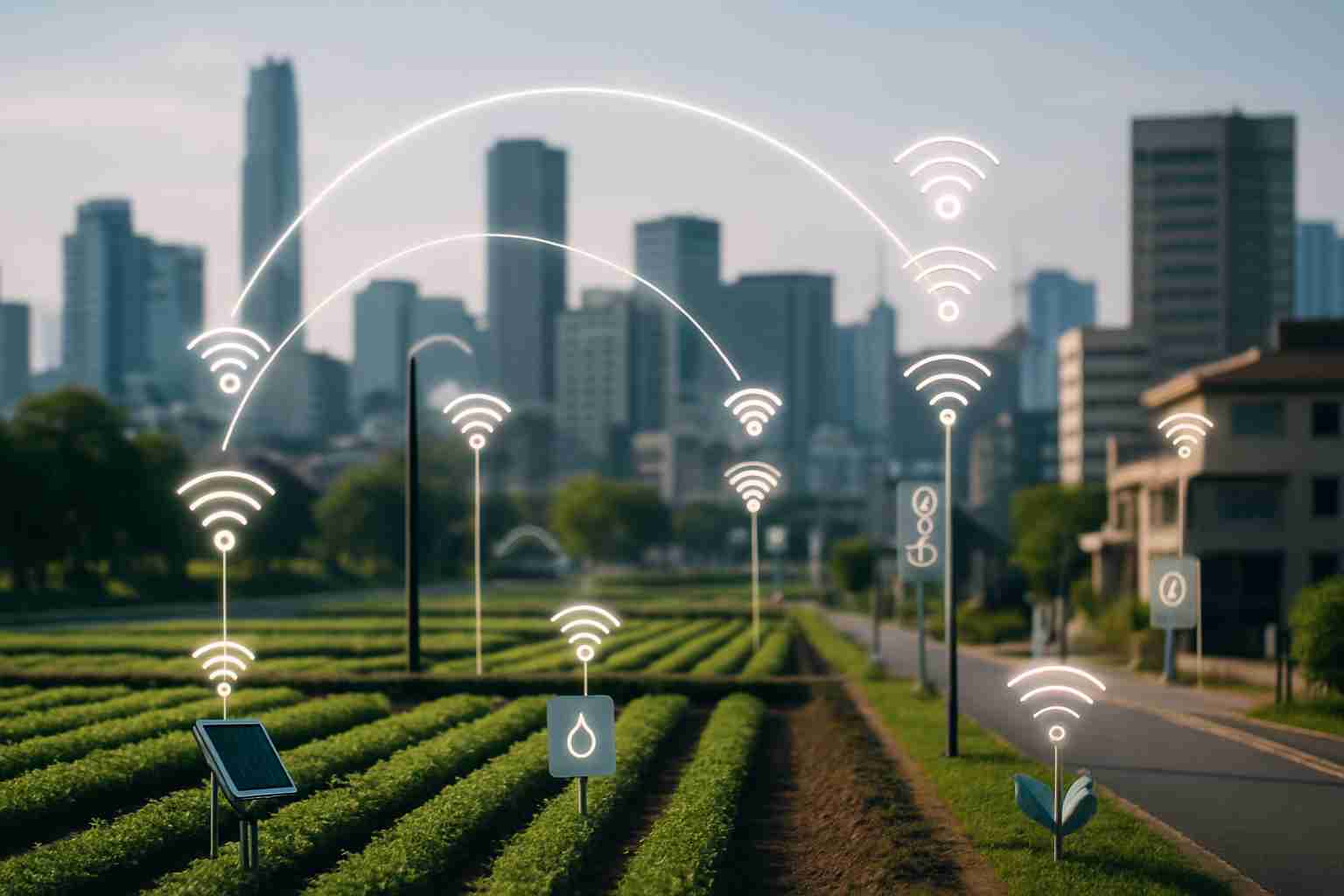
Off-grid communication devices serve as vital instruments for ensuring connectivity in locations lacking conventional infrastructure. Whether it’s satellite messengers or LoRa mesh networks, these tools deliver dependable communications in demanding conditions. This article explores their features and uses, providing a clear understanding of how they maintain our connection when standard networks fail.
The Role of Satellite Messengers in Remote Communication
Satellite messaging systems have become a crucial innovation within the sphere of remote location networking. Devices such as the SPOT function via global satellite communication systems, guaranteeing message delivery even in areas lacking cellular coverage. This feature is indispensable for travelers, mountaineers, and hikers venturing into wilderness zones where conventional signals disappear. Positioned above us, these satellite link devices enable the transmission of location-based texts that share accurate coordinates and status updates, revolutionizing how explorers remain connected. Beyond simple messaging, they incorporate independent GPS monitoring, a transformative attribute providing reassurance. During crises, this GPS distress locator lets users summon help by instantly broadcasting their precise whereabouts. This accuracy significantly supports rescue teams, turning potential emergencies into successful recoveries. Indeed, satellite communication devices have played a vital part in countless rescues worldwide, underscoring their importance in off grid communication scenarios. Adaptable and durable, these tools remain essential for anyone journeying beyond cellular network reach. As technology advances, their role in sustaining human connectivity, even in the most isolated locations, grows ever more important, keeping us tethered to what truly matters.
Understanding LoRa Mesh Networks for Off-grid Connectivity
LoRa mesh networks are transforming off grid communication. Unlike conventional communication frameworks, these systems employ low-energy, extended range radio frequency communication systems to form a decentralized wireless mesh of linked nodes. Each individual node has the capability to transmit and receive data over vast distances, making these networks perfect for isolated region connectivity where internet infrastructure is absent.
LoRa’s primary benefit lies in its capacity to deliver small data packets across miles while using very little power. This effectiveness is essential for Internet of Things networking in isolated locations, especially where energy supplies are scarce. Devices such as weather sensors or livestock trackers rely on LoRa IoT connectivity to send critical information without requiring frequent upkeep.
The adaptability of LoRa networks proves essential during crises. When standard networks are down, these distributed mesh networking systems offer a robust fallback, sustaining connectivity needed to manage rescue efforts or dispatch alerts. The versatility of LoRa mesh connectivity solutions accommodates many configurations, enabling users to customize the system to their unique settings and requirements. Additionally, their affordability and straightforward installation guarantee that independent communication networks for off grid communication remain both practical and widely available.
Off-grid Walkie-Talkies: Essential Communication Tools
Walkie-talkies play a crucial role in off grid communication, providing instant voice contact without depending on cellular networks or internet access. They utilize particular radio frequencies to facilitate clear communication over short to medium ranges, proving indispensable for camping, hiking, and similar outdoor activities. Unlike today’s smartphones, walkie-talkies create a direct connection between users, which guarantees dependable communication even in isolated locations where mobile coverage is unavailable.
For campers, hikers, and individuals working in remote environments, walkie-talkies close the communication gap by delivering a straightforward and effective method to stay in touch with others. Designed to endure tough outdoor conditions, these handheld two-way communicators are typically robust and water-resistant. Equipped with features like weather notifications and multiple channel options, they ensure essential information is shared promptly, which is vital for safety and effective coordination.
Their simplicity, requiring no complicated configurations or subscriptions, makes walkie-talkies highly user-friendly. Users connect instantly by pressing a single button, boosting their rising adoption in off grid communication settings. Walkie-talkies remain a favored solution for maintaining contact when conventional networks are unavailable, underscoring their lasting significance in our tech-driven age.
Emergency Communication Tools for Crisis Management
In moments of crisis, having reliable urgent communication devices is vital, as they allow fast and trustworthy exchanges when every moment matters. A range of disaster communication solutions, which blend both one-way and two-way functionalities, are remarkable for enhancing the flow of essential information. Whether it’s off-grid communication text alerts or interactive live video streams, these tools meet the varying demands of emergency scenarios. For example, satellite communication equipment overcome geographic limitations, offering dependable two-way messaging and SOS features even in isolated locations. Such satellite comms equipment are indispensable for transmitting critical messages to first responders regardless of mobile network coverage. Conversely, decentralized mesh networking provides peer-based communication across extensive arrays of nodes without depending on centralized towers, creating robust communication frameworks particularly effective in landscapes disrupted by natural catastrophes.
To complement these technologies, portable walkie-talkies provide instant voice communication, crucial for direct coordination in rescue efforts. Their straightforwardness, toughness, and independence from infrastructure highlight their importance in time-critical missions. These combined disaster communication systems guarantee message continuity, ensuring that crucial information promptly reaches the right parties. As these solutions progress, they continually improve the capability to sustain off-grid communication amid emergencies, adjusting seamlessly to diverse crisis management needs.
Innovations in Off-grid Texting
Texting has seen extraordinary advancements in the field of off-grid communication. Enabled by wireless networking solutions such as satellite communication systems and LoRa networks, messaging can now occur without relying on cellular connectivity. Satellite comms equipment have transformed communication in isolated location connectivity, offering worldwide reach. These gadgets depend on satellite constellations, which let users send texts from any spot on Earth, no matter the state of terrestrial infrastructure.
Another fascinating approach is offered by LoRa mesh connectivity solutions, which create a network of devices that forward messages across significant distances. Unlike conventional networks, LoRa low-power communication is highly energy efficient, a vital trait for staying connected with limited power sources in rural network access. This technology proves especially valuable in disaster-stricken areas where traditional cellular coverage may be unavailable.
Such breakthroughs are reshaping off-grid communication, making it possible to send and receive messages irrespective of geographical boundaries. Their broad range of practical uses includes aiding outdoor enthusiasts in isolated environments and enabling essential contact during emergencies. For anyone requiring dependable connectivity in harsh conditions, these tools are essential, ensuring communication continues even when standard systems collapse.
Conclusions
Maintaining connectivity in isolated locations depends heavily on off-grid communication solutions. Whether it’s space-based communication devices, LoRa mesh connectivity solutions, or durable two-way radios and critical communication apparatus, each provides distinct methods to stay linked within demanding settings. By comprehending and leveraging these autonomous network solutions, communication remains strong beyond conventional networks, boosting both safety and operational effectiveness.