You ever notice how quiet the world feels the moment your phone drops to “No Service”? It’s a weird kind of silence—especially when you’re out in the wild or a storm knocks out the towers. That’s exactly the moment when Meshtastic devices come into their own.
Over the past year, these little gadgets have been cropping up in unexpected places—clipped to backpacks in Yosemite, passed around in off-grid communities, even tucked into glove boxes by folks who just want a backup when the grid goes dark. So, what’s the deal? Why are more people—techies and regular folks alike—getting into this mesh networking scene?
Let’s break it down.
What are Meshtastic devices, anyway?
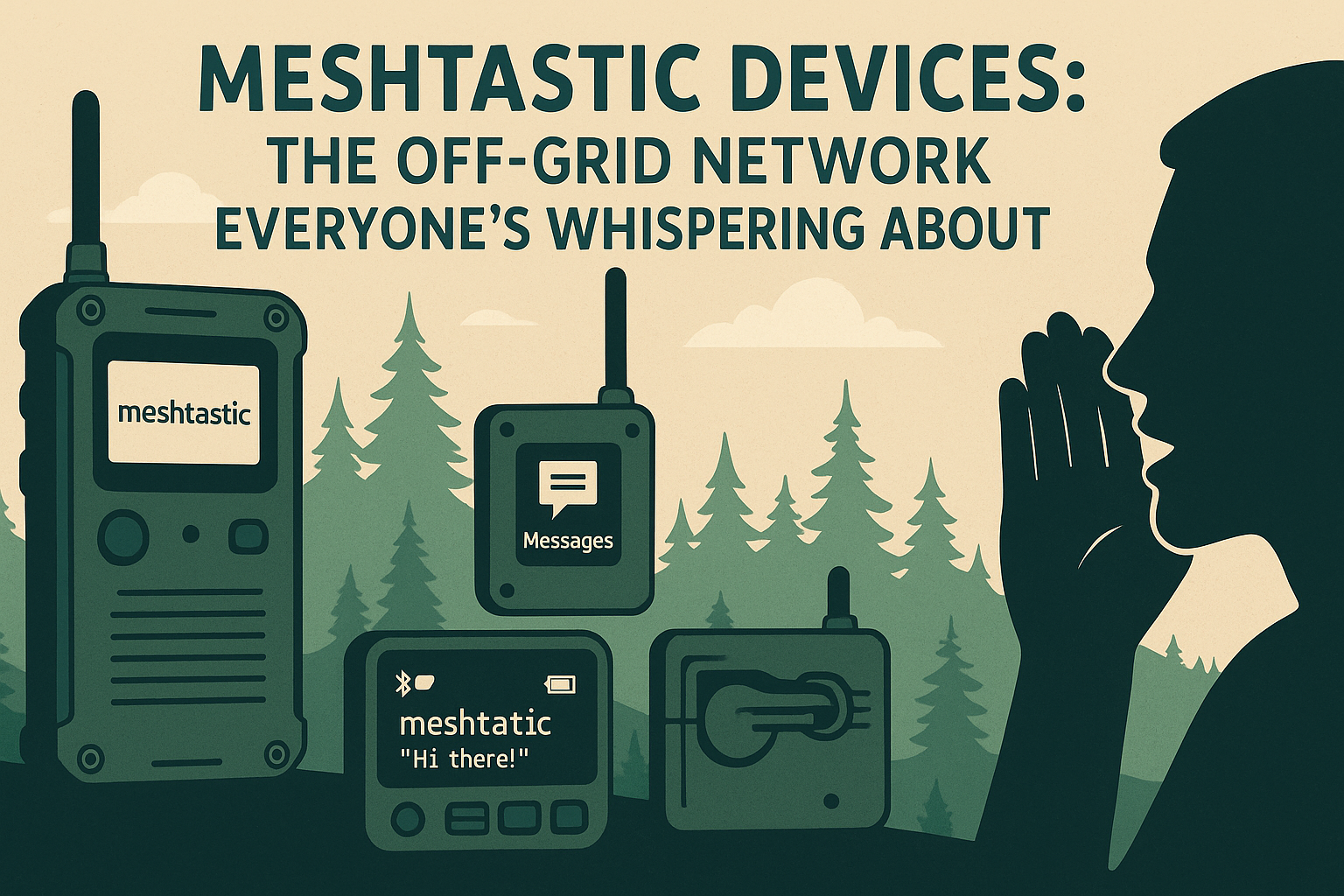
At their core, Meshtastic devices are long-range, low-power radios that run open-source firmware and use LoRa (short for “Long Range”) radio signals to communicate. No cell service. No Wi-Fi. No monthly fees. They build their own little “mesh network,” relaying messages from device to device until they reach their destination.
Imagine if a walkie-talkie and a GPS tracker had a baby, and that baby decided it didn’t want to be part of the internet rat race. That’s kind of the vibe here.
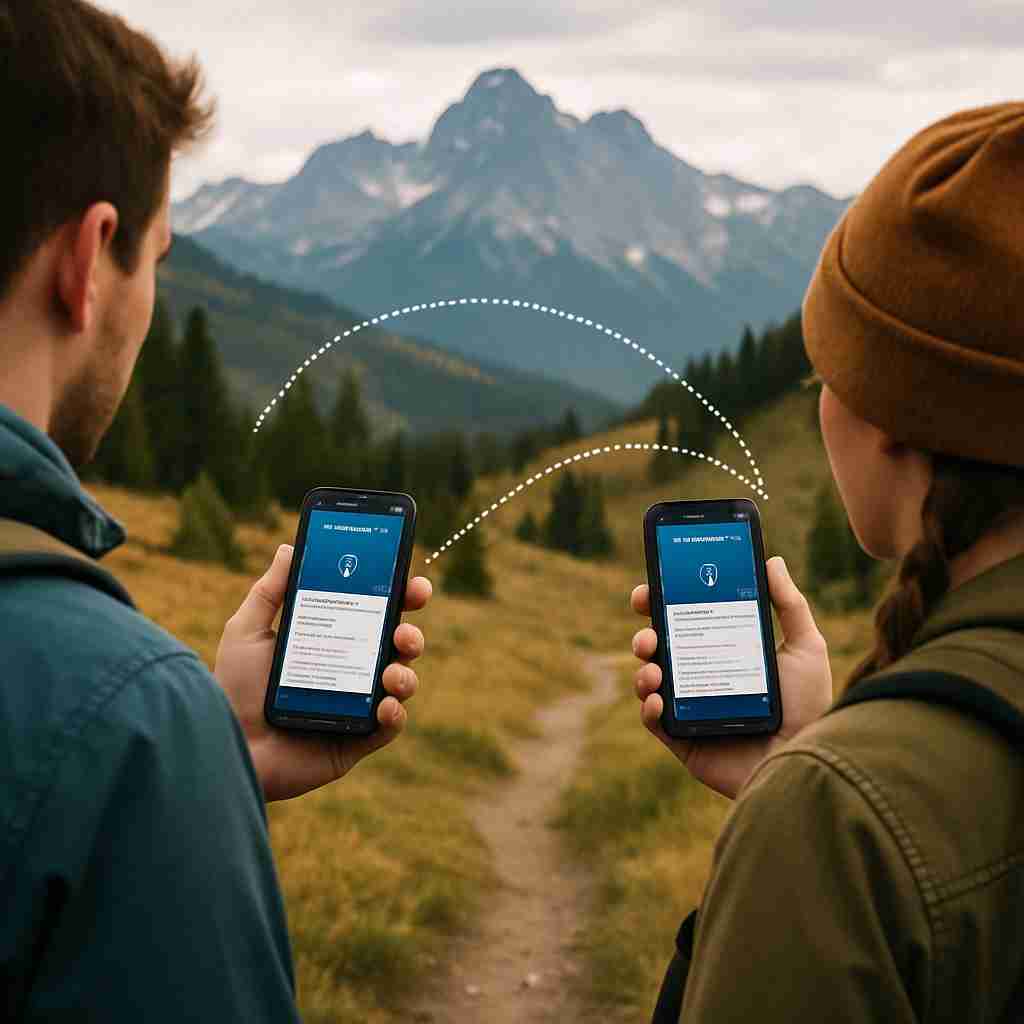
You pair a Meshtastic device with your phone via Bluetooth, open the Meshtastic app, and voilà—you can send encrypted text messages, check GPS location, and stay in touch even if civilization is nowhere in sight.
Why folks are geeking out—and it’s not just tech nerds
It’s easy to assume this is just some hacker toy. But honestly, the appeal goes way beyond that.
The beauty of mesh networking is how it mimics human communities—no single point of failure, everyone pitching in, and the system gets stronger as more people join. If one node fails, the rest still hold the line.
That’s why preppers love it. So do hikers, search-and-rescue teams, event organizers, and neighborhoods trying to stay coordinated during power outages or wildfires. When everything else goes down, the mesh still whispers.
Recent wildfires in California, floods in Texas, and power grid instability in places like Puerto Rico have made the case: having a resilient, independent backup communication method isn’t just clever—it’s necessary.
The quirky beauty of open-source gear
Here’s the part that really gives Meshtastic devices their charm: they’re open-source.
That means the firmware is constantly being refined and expanded by a community of passionate developers, hobbyists, and field testers. Want your device to double as a weather station? Someone’s already building that. Need it to act as a GPS relay for a whole group? There’s a build for that, too.
People don’t just use these devices—they tinker with them, share what they learn, and teach others. It’s the kind of online community energy that used to feel more common before every device came locked behind subscriptions and proprietary platforms.
You’ll find mods, antenna hacks, and range-boosting experiments all over Reddit, GitHub, and the Meshtastic Discord. It’s less “just buy it and forget it,” more “come hang out and learn something cool.”
Wait… Is this just for emergencies? Nope.
Sure, Meshtastic shines during emergencies, but people are finding all kinds of creative, everyday uses.
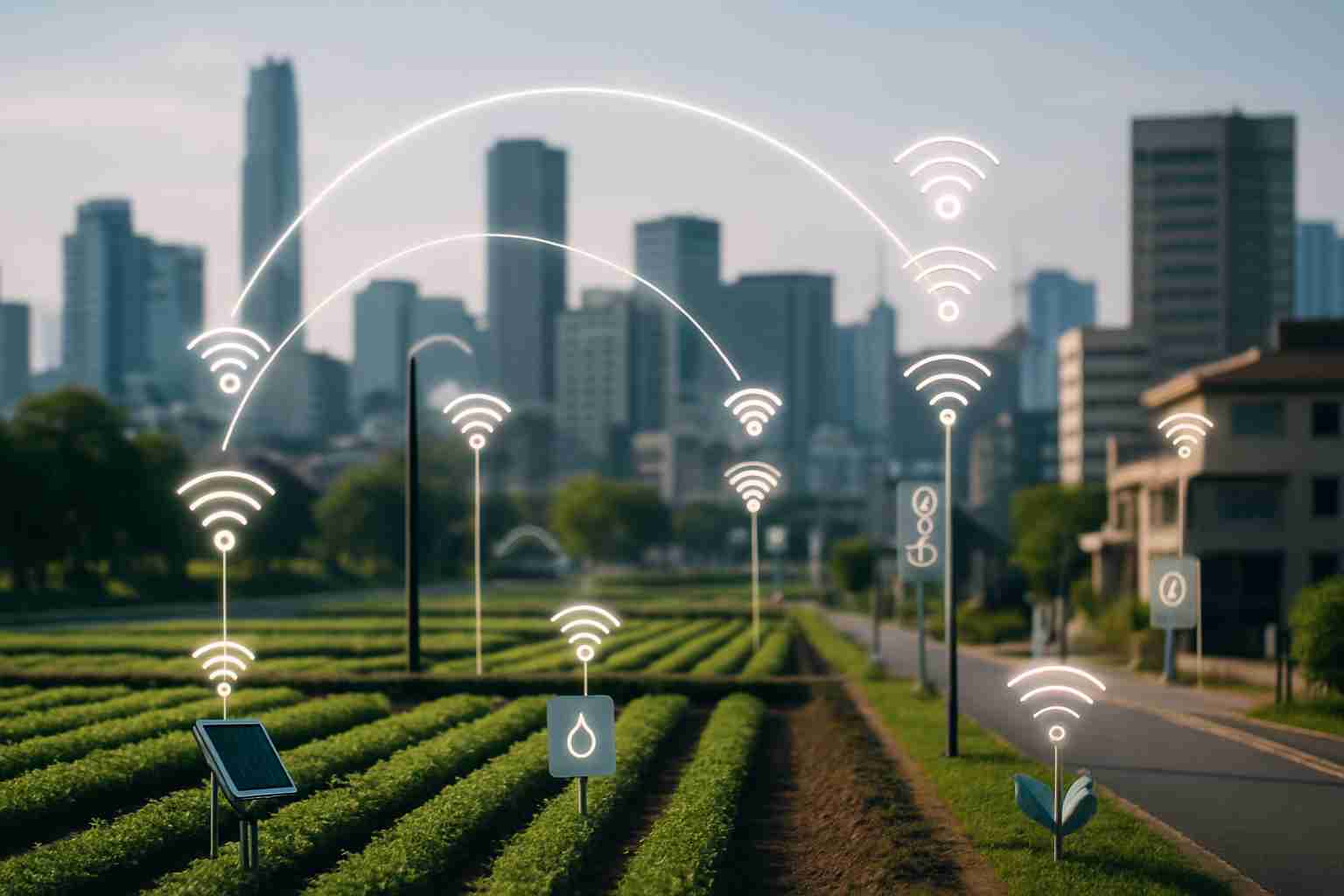
Take parents with kids at summer camp—some send them with Meshtastic nodes just to check in across campgrounds where phones aren’t allowed. Or farmers coordinating across vast plots of land with no cell coverage. Or friends on a backcountry ski trip wanting to keep tabs on each other’s GPS blips without shouting across snowbanks.
And here’s the kicker: it’s all local. No cloud server, no tracking. You send a message, it hops node-to-node, and that’s that. No algorithm is learning your habits, and no one’s selling your data.
Even if your main reason is just wanting to leave your phone on airplane mode and still be reachable—Meshtastic’s got your back.
Alright, let’s be real: what’s the catch?
Of course, nothing’s perfect.
Meshtastic devices don’t have unlimited range—though with a good antenna setup, they can hit several kilometers easily. They’re not plug-and-play like your average smartphone gadget; you’ll need to spend a bit of time getting familiar with flashing firmware or troubleshooting quirks.
Battery life depends on your use, and if you’re setting up a relay node in the woods, you’ll want a solar panel or power bank to keep it alive.
But honestly? These aren’t bugs. They’re features—because they remind you that this system is yours. No corporations, no bills, no big brother. Just a network that lives where you do.
So, where do you even begin?
The easiest way to dip your toes into the Meshtastic world is to pick up a compatible device. Popular choices include the Heltec V3, LilyGO T-Echo, and the newer rugged models like the Spec5 Pulse or Relay (if you’re looking for something adventure-ready).
If you’re the DIY type, head over to Meshtastic.org or hit their GitHub page for firmware, guides, and updates. For the rest of us, there are now plug-and-play options that come pre-flashed and ready to go—just pair with the app, and you’re in.
Most users start small: just two nodes between friends. Then maybe a third to act as a relay. Before long, you’re looking at maps of nearby nodes and thinking, “What if we added one on that hill over there?”
It’s weirdly addictive.
Final thought: This isn’t just tech—it’s a mindset
There’s something kind of poetic about Meshtastic. In a time when our devices track us more than we track them, and connection feels increasingly centralized and out of reach, here’s a little gadget that says, “You can still do this yourself.”
It’s about resilience, yes. But also about reclaiming control, about choosing how you want to stay connected.
And maybe—just maybe—the future of communication isn’t about adding more towers, more satellites, more dependency. Maybe it’s about looking sideways instead of up. Keeping things simple. Local. Human.
So go ahead—throw one in your backpack. You never know when the grid might go down… or when you’ll just want a little peace from it. Either way, you’ll be ready.