Meshtastic devices offer innovative solutions for off-grid, decentralized communication, utilizing long-range LoRa radio networks. Perfect for outdoor enthusiasts, remote workers, and emergency scenarios, these devices ensure you stay connected without relying on traditional internet infrastructure. This article explores the best Meshtastic hardware available today, their benefits for home and outdoor use, and what to consider when choosing the right device.
Understanding Meshtastic Technology and Its Unique Benefits
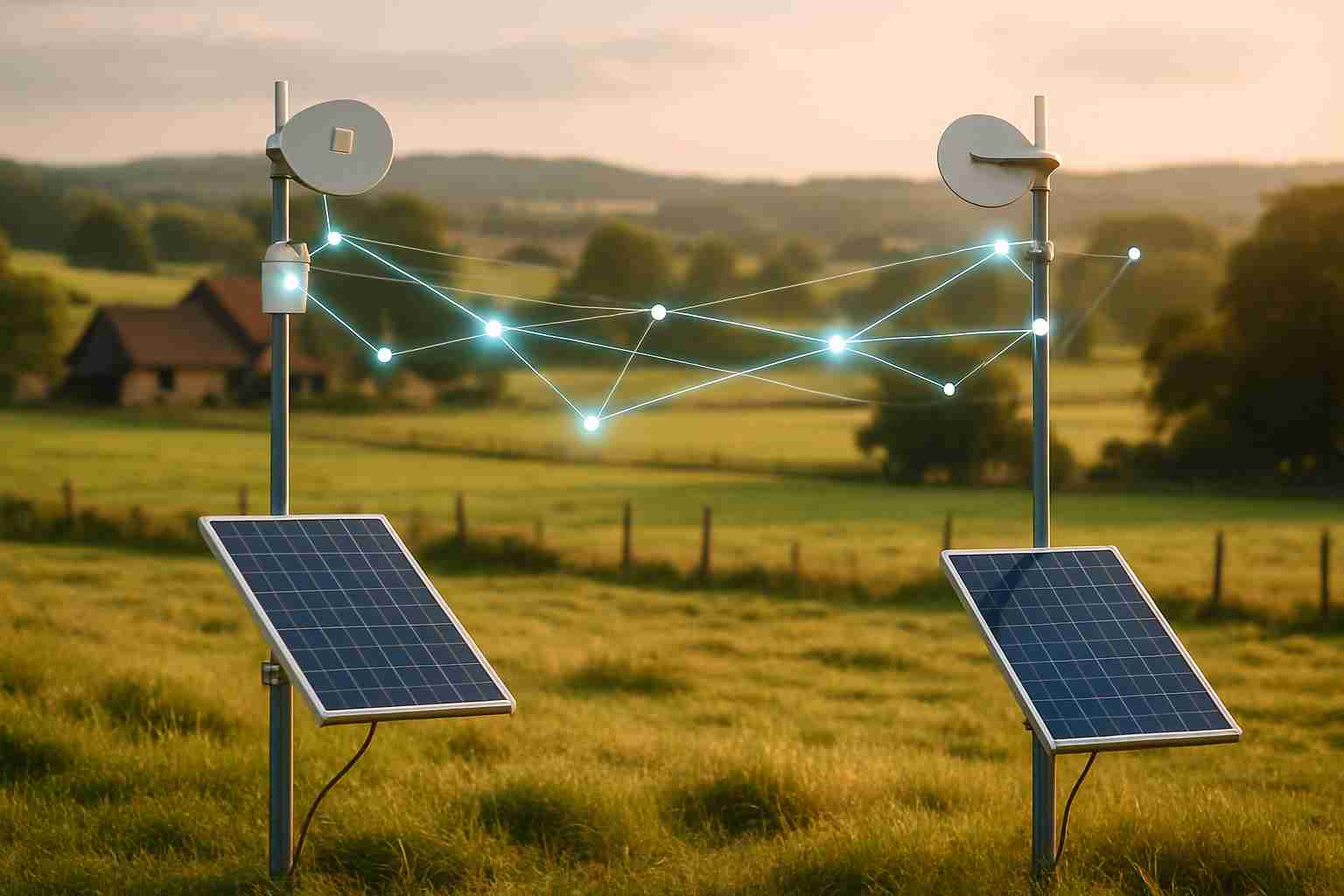
Meshtastic leverages technology to create a decentralized, off-grid mesh network that is especially effective for those venturing into areas without internet connectivity. Utilizing LoRa radio technology, it enables users to establish a robust communication network that spans expansive distances without the need for traditional infrastructure. This long-range, low-power system thrives on its ability to connect devices over unlicensed radio bands, making it a cost-effective solution for outdoor adventures, emergency preparedness, and even certain IoT applications.
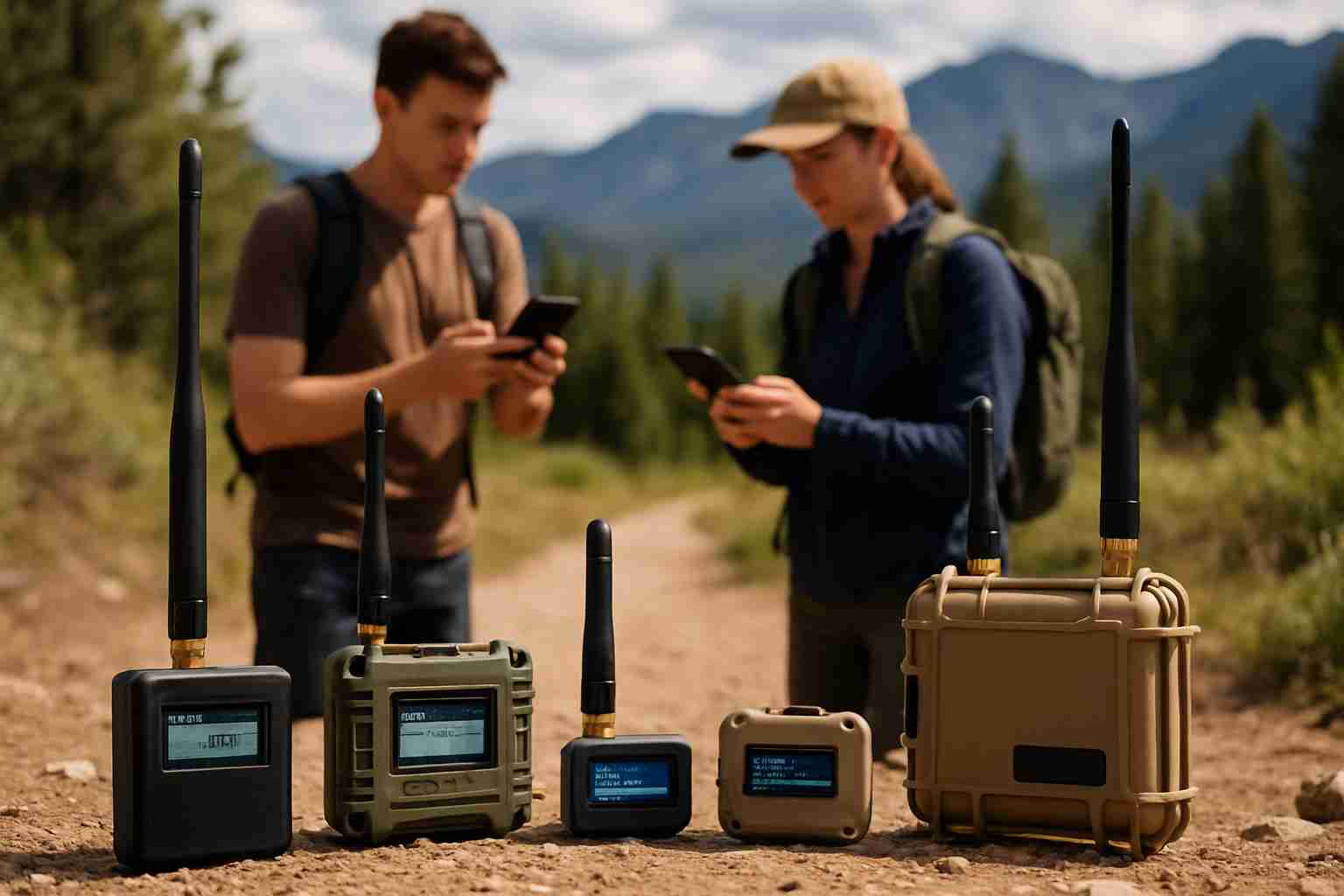
Imagine being on a remote hiking trail or involved in an emergency response team. In these scenarios, having reliable communication can be a game changer. For outdoor enthusiasts, meshtastic lets users send text messages where cellular signals fall short. The system has been employed by the Mars Society for remote analog astronaut missions, illustrating its capability in challenging environments. This scenario of rugged exploration mimics the conditions where Meshtastic was proven indispensable. Similarly, during natural disasters when conventional networks may falter, meshtastic can provide critical communication paths, helping coordinate rescue efforts efficiently.
Despite its impressive capabilities, meshtastic is not without limitations. Its reliance on line-of-sight can hinder performance in urban landscapes with numerous obstructions. Additionally, bandwidth constraints mean the system isn’t designed for high-data applications. Network congestion can occur if too many clients attempt to connect simultaneously, but continuous advances aim to mitigate these challenges. Innovations such as improved antennas and better firmware are enhancing the range and reliability, offering solutions to these prevalent issues.
Overall, meshtastic’s unique benefits make it an invaluable tool for those needing reliable, off-grid communication. Its real-world applications continue to grow, underscoring its vital role in both casual and mission-critical settings.
Top Meshtastic Devices and Kits for Reliable Messaging
Exploring the diverse range of meshtastic devices, adventurers and off-grid communication enthusiasts can find a device tailored to nearly every wilderness requirement, whether trekking through vast mountains or setting up a resilient home network. These devices excel in facilitating seamless, long-range communication due to their robust integration of technology like LoRa transceivers and development boards like the ESP32 and nRF52840. Their capability to deliver extended range messaging without dependence on internet connectivity sets these devices apart, making them indispensable for any outdoor trip or emergency setup.
Many commercial and purpose-built meshtastic kits include unique features enhancing usability. The BLE and Wi-Fi components enable straightforward smartphone integration, ensuring compatibility with modern devices. Location tracking becomes effortless with GNSS, an essential aspect for outdoor navigation and safety. What truly empowers these devices for long-range communication is their LoRa transceivers, which support efficient data exchange across impressive distances.
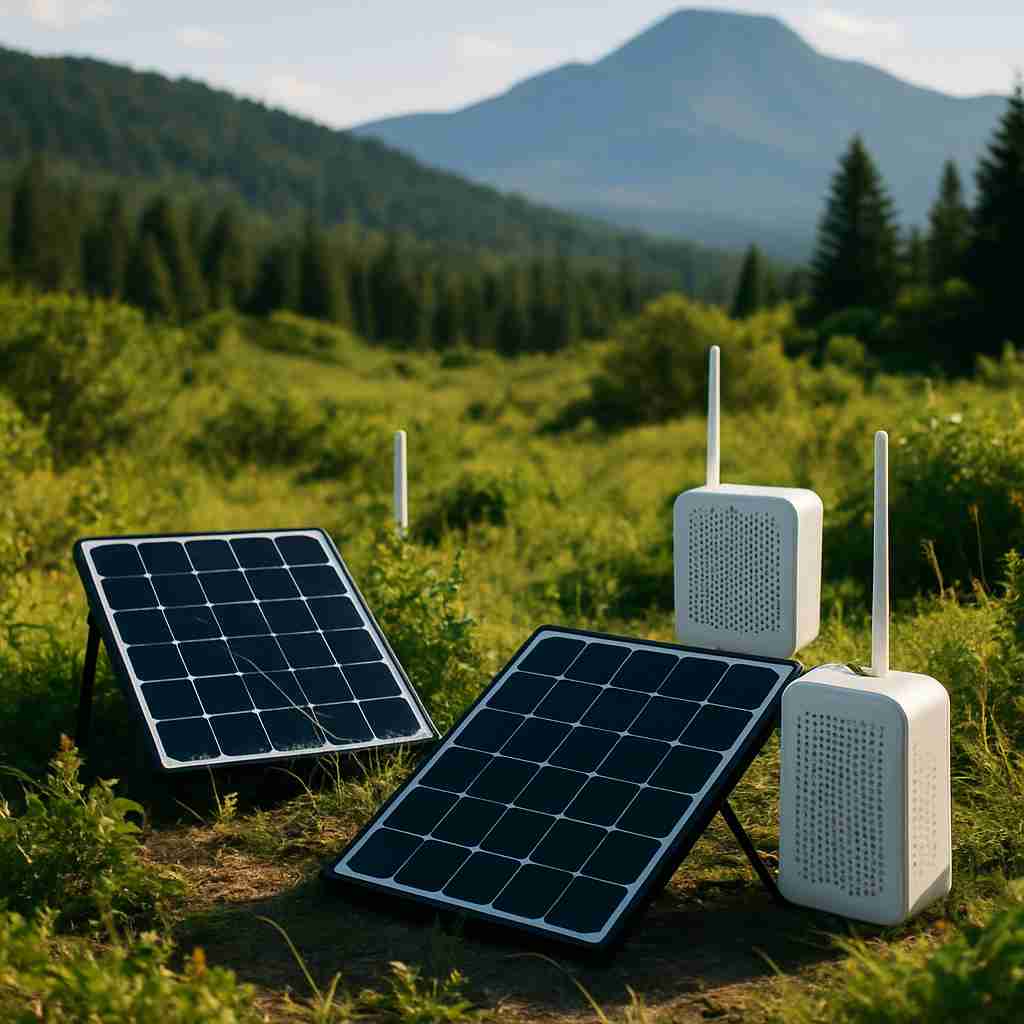
On the hardware front, the ESP32 boards are celebrated for their dual-core processor capabilities and low power consumption, reflected in a longer battery life, an important factor for extensive expeditions. In contrast, the nRF52840 development boards are known for their exceptional energy efficiency, making them suitable for extended deployment in remote or power-limited environments. Each setup offers distinct advantages, from ruggedness suited for the unpredictable outdoors to straightforward setups ideal for home use.
These devices are not only robust but also intelligently designed to prioritize performance. Cost-conscious users will find there are options tailored to various budgets, without compromising key features like user-friendliness or mesh range. Community support and ongoing firmware updates enhance these products, future-proofing your investment and allowing for personalized enhancements. Aligning well with environmental factors, such devices maximize the mesh network’s range and reliability, whether battling harsh terrains or merely optimizing indoor connectivity.
Selecting the Right Meshtastic Device for Your Needs and Enhancing Your Network
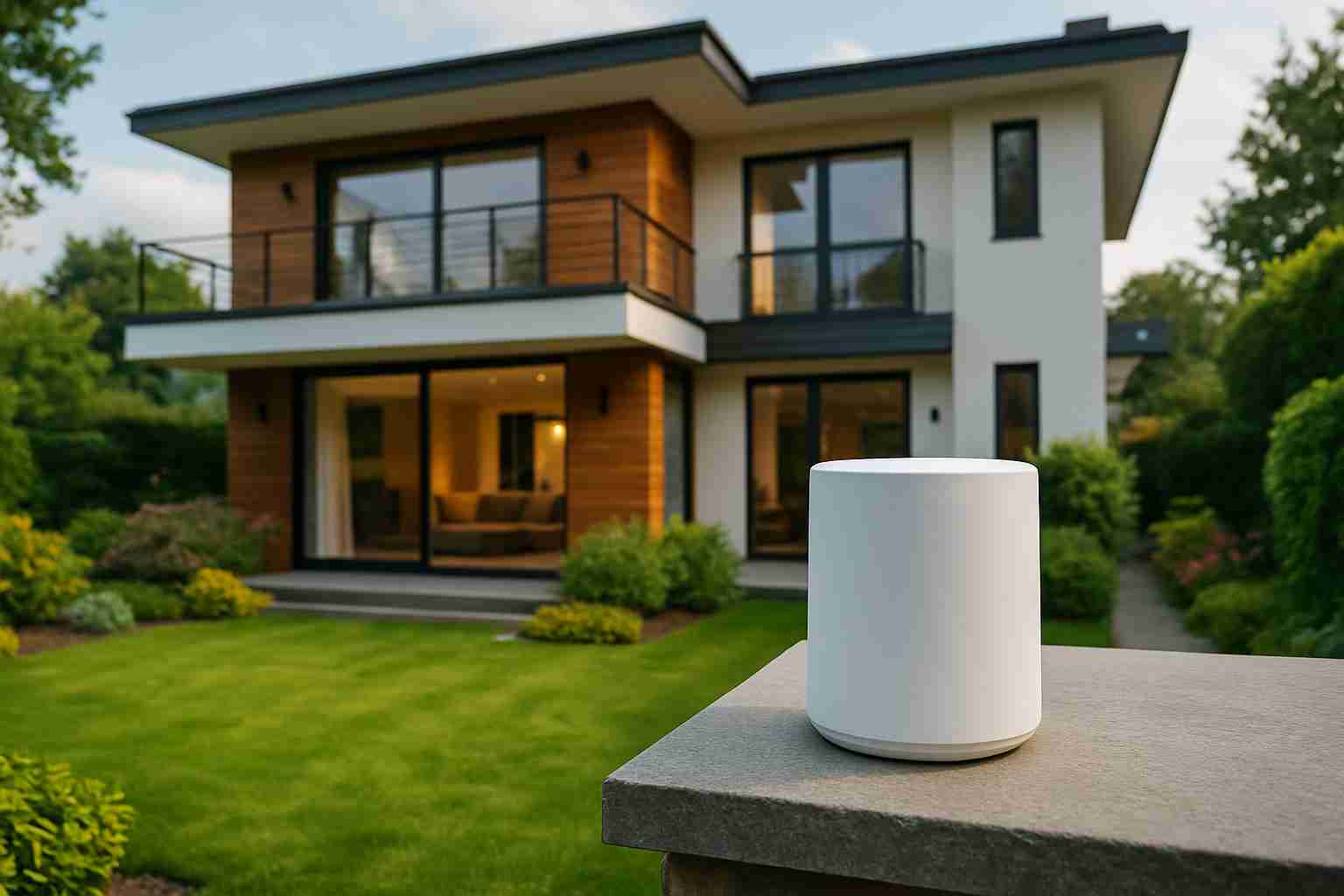
Selecting the right meshtastic device involves more than just picking a popular model. It requires understanding your specific use case—be it home backup communication, hiking trips, or emergency response. Start by assessing your range needs. If you plan to use the device in open fields or mountainous terrains, opt for devices with powerful LoRa transceivers to ensure long-range connectivity. For home use, devices positioned strategically within a house can provide adequate coverage without overextending your network.
When considering device compatibility, look into whether the meshtastic device integrates easily with your existing setup, including smartphones and other communication gadgets. Budget plays a crucial role as well, but remember that the cheapest option might not always meet your needs for durability or range. Opt for devices that offer a balance between cost and performance, especially those with support for GNSS for location tracking and BLE for easy smartphone pairing.
Maximizing your mesh network’s range and reliability can be achieved by careful placement of devices. To optimize performance, consider placing devices at a higher elevation or in an open space, avoiding obstacles like thick walls and metallic surfaces, which can interfere with signals. For expanding networks, seamlessly adding nodes is key. Start with a few strategically placed base nodes and gradually integrate more as needed, ensuring you maintain a robust communication setup.
Future-proofing your network involves selecting hardware with modular capabilities and looking for devices that receive regular firmware updates. This ensures alignment with emerging standards in technology, like new LoRa protocols or updated GNSS functionalities. By connecting with the vibrant meshtastic community, you can leverage open-source contributions for tailored enhancements, sharing insights and tools that fit your unique requirements. Encouraging community involvement not only enhances your setup but also contributes to the ongoing development of innovative features in the technology landscape.
Conclusions
Meshtastic devices represent a powerful alternative to conventional communication systems by enabling reliable, long-range messaging off the grid. Whether for enhancing outdoor adventures, ensuring safety during emergencies, or deploying IoT networks in remote locations, the right Meshtastic device transforms connectivity possibilities. Understanding technology, considering user needs, and choosing suitable hardware ensures your communication setup is efficient, scalable, and future-ready.