Meshtastic devices offer a powerful solution for communication in remote locations where traditional networks fail. Utilizing long-range, low-power LoRa technology, these mesh devices enable text and data exchange across decentralized networks. In this article, we explore the best Meshtastic devices, their applications, and how to select the right one for your needs.
Understanding Meshtastic Technology and Its Unique Advantages
Among the diverse range of devices designed to leverage meshtastic networks, several stand out for their robustness, versatility, and user-centric features, making them ideal for reliable off-grid communication. These devices, built upon the principles of LoRa mesh networking, are engineered to maximize range and battery efficiency, catering specifically to the demands of adventurers, emergency responders, and IoT enthusiasts.
One of the most popular platforms in the meshtastic ecosystem is the ESP32-based boards. These modules are favored for their powerful processing capabilities combined with integrated LoRa radios, enabling stable mesh formation over impressive distances, often exceeding 5 kilometers in open terrain. Their low-power consumption design makes them suitable for extended outdoor missions where recharging opportunities are scarce. ESP32 boards also often feature Bluetooth connectivity, allowing seamless pairing with mobile apps for easy message exchange and device management, enhancing user experience without sacrificing operational longevity.
Another key hardware contender is the nRF52840 development board, which integrates a high-performance ARM Cortex-M4 processor alongside LoRa functionality. It’s excellent radio sensitivity boosts communication reliability even in challenging environments with obstacles or partial line-of-sight. Some offerings on this platform also incorporate GNSS receivers, furnishing accurate real-time location data that can be shared across the mesh, invaluable for navigation, coordination, and safety in remote expeditions or disaster response scenarios.
For those seeking commercial off-the-shelf solutions, dedicated devices such as the TTGO T-Beam and the Heltec WiFi LoRa series provide ready-to-use kits with rugged enclosures optimized for outdoor use. These devices combine LoRa radios, GPS modules, and Bluetooth in compact form factors, balancing performance with portability. Their user-friendly interfaces and pre-flashed firmware simplify deployment for users of all technical backgrounds, promoting swift adoption in time-sensitive operations.
In summary, the best meshtastic devices deliver a compelling blend of hardware sophistication and practical features: long-range communication exceeding several kilometers, ultra-low power usage for prolonged battery life, integrated Bluetooth or Wi-Fi for mobile connectivity, and optional GNSS modules for real-time tracking. The choice of device ultimately depends on specific use cases—whether prioritizing ruggedness for harsh outdoor environments or versatility for IoT integration—but all share a commitment to reliable off-grid connectivity empowered by this remarkable technology.
Top Meshtastic Devices and Their Features for Optimal Connectivity
Among the leading devices that harness meshtastic networks for rugged, off-grid communication, a few stand out for their balance of performance, durability, and versatility. The well-regarded T-Beam from the DIY and maker communities exemplifies this blend. Built around an ESP32 microcontroller with integrated LoRa, it offers a commendable communication range of 5 to 10 kilometers in open terrain, largely depending on antenna configuration. Its onboard GPS receiver enables precise geolocation sharing across the mesh, essential for outdoor navigation or search-and-rescue operations. Additionally, Bluetooth connectivity facilitates seamless pairing with smartphones, allowing users to configure settings and send messages through the supportive mobile apps. The T-Beam’s power efficiency ensures that, even with a typical 18650 Li-ion battery, it can operate for days between charges, a key consideration for extended off-grid use.
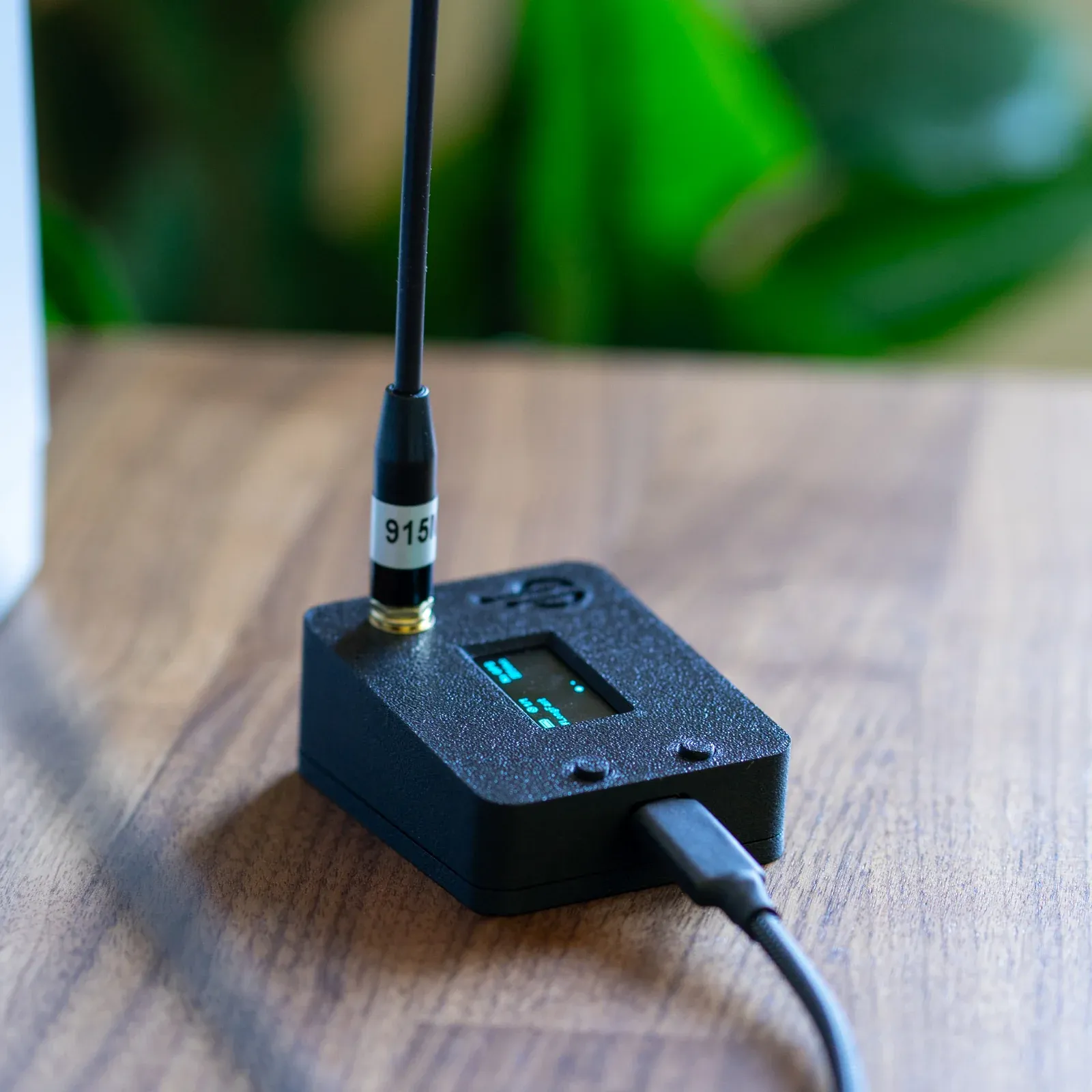
On the commercial front, devices like the Heltec LoRa 32 Pro pack advanced features that cater to both hobbyists and serious outdoor users. Sporting a compact OLED display for real-time status, this unit merges a powerful SX1262 LoRa chip with an ESP32-core, enabling robust mesh networking alongside Wi-Fi and Bluetooth options. Its built-in GNSS receiver allows consistent location updates, while a highly optimized power management system keeps battery consumption minimal without sacrificing connectivity. The rugged casing and high-quality antenna options make it suitable for varying environmental conditions, from dense forests to mountainous regions.
For those seeking ready-to-go kits, the Meshtastic-branded bundles combine the hardware essentials with comprehensive software support, making initial setup straightforward even for newcomers. These kits typically include two or more devices, antennas, and batteries, matched for optimal range and durability. Features such as easy firmware updates over Bluetooth and intuitive app interfaces enhance user friendliness, especially in critical emergency use cases.
When comparing these devices, it’s clear that factors such as communication range, power consumption, and user interface complexity should be matched to specific scenarios. The T-Beam excels for DIY enthusiasts craving customization and a solid range, while the Heltec LoRa 32 Pro shines in environments demanding greater display feedback and multi-modal connectivity. Meshtastic kits, meanwhile, offer an accessible gateway into the mesh ecosystem, particularly suited for teams or groups needing rapid deployment.
Overall, these top meshtastic devices exemplify how carefully engineered hardware paired with user-centric features can deliver reliable communication across challenging off-grid environments—empowering adventurers, responders, and remote workers alike through innovative technology.
Choosing the Right Meshtastic Device Based on Your Communication Needs
Choosing the right meshtastic device hinges on several nuanced factors that go beyond basic specs, ensuring that your off-grid communication setup truly fits your unique circumstances. Start by evaluating the size of your intended coverage area—whether you’re aiming to maintain connectivity across a sprawling wilderness campsite, a rugged mountain trail, or a densely forested region, your device choice should support effective reach. Devices with longer LoRa ranges are ideal for extensive areas, but keep in mind that environmental obstacles like thick vegetation or rocky terrain can reduce effective signal spread, making strategic placement crucial.
Equally important is assessing device density—how many nodes you’ll realistically deploy. A denser mesh with multiple devices improves network resilience and data throughput, especially where frequent, bidirectional communication or group coordination is required. In contrast, a sparse network with few devices might prioritize models with extended battery life and independent operation to maintain contact when isolated from the mesh.
The type of communication you need also directs your choice. Simple text messaging or location sharing has modest data demands, so low-power, economical devices suffice. However, if you anticipate transferring telemetry, sensor data, or need more frequent updates, select models with robust processing and memory capacities, alongside flexible radio settings.
Compatibility plays a pivotal role—ensure new devices integrate smoothly with any existing technology you use. Some meshtastic devices offer Bluetooth or Wi-Fi interfaces for seamless app-based control and firmware updates, while others might require manual configuration. Look for active community support and firmware ecosystems to keep your hardware current and secure.
Scaling your mesh involves deploying devices where the signal can hop efficiently without dead zones—consider elevated placements and line-of-sight paths where possible. Network management tools and user-friendly apps can simplify monitoring and troubleshooting, even for novice users.
Lastly, future-proofing your setup means opting for devices compliant with emerging LoRa technology standards, ensuring your investment remains relevant as protocols evolve. Prioritizing simplicity in setup and strong user resources will help you maintain resilient, reliable off-grid communication for years to come.
Conclusions
Meshtastic devices empower users to establish reliable communication networks where traditional systems are unavailable. By understanding the underlying LoRa mesh technology, reviewing key device options, and carefully considering individual needs, anyone can create an effective off-grid messaging network. Investing in the right Meshtastic hardware not only enhances safety and connectivity in remote areas but also supports a growing community passionate about decentralized communication solutions.