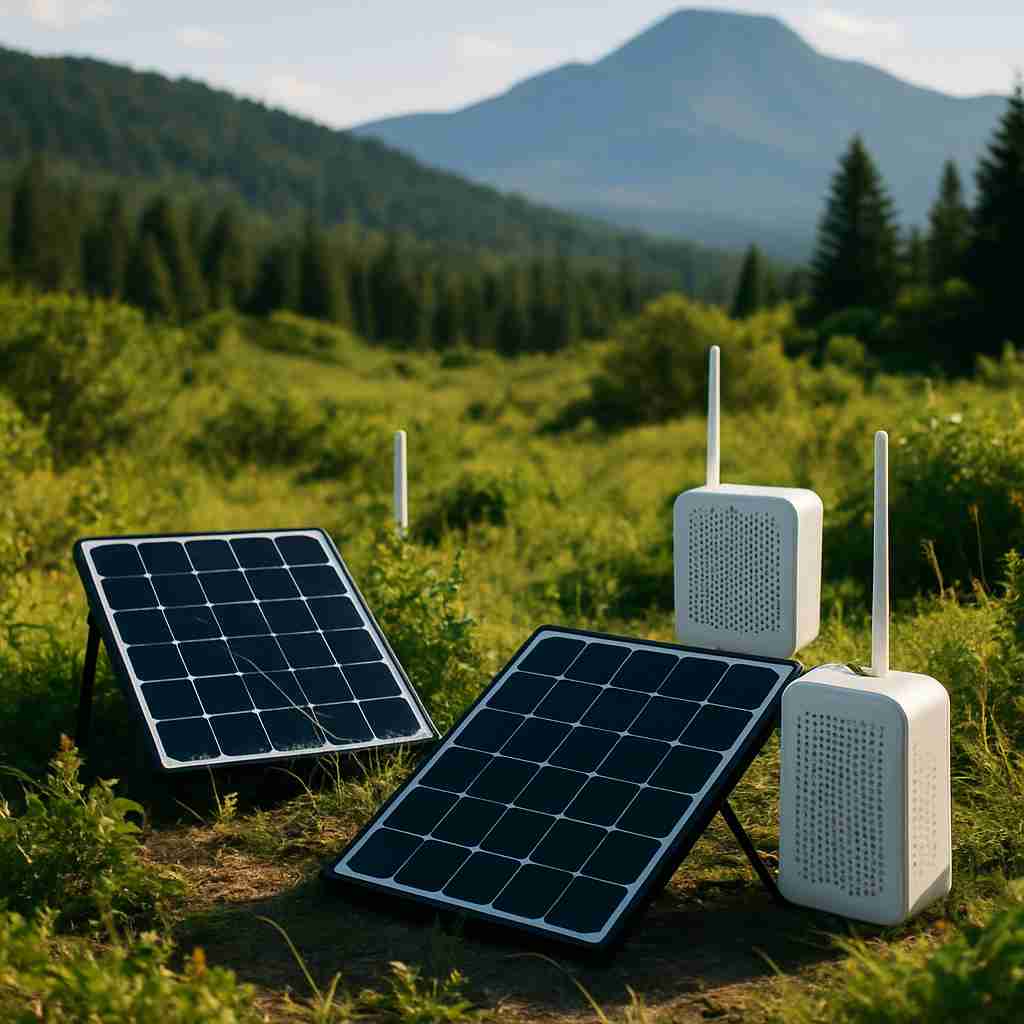
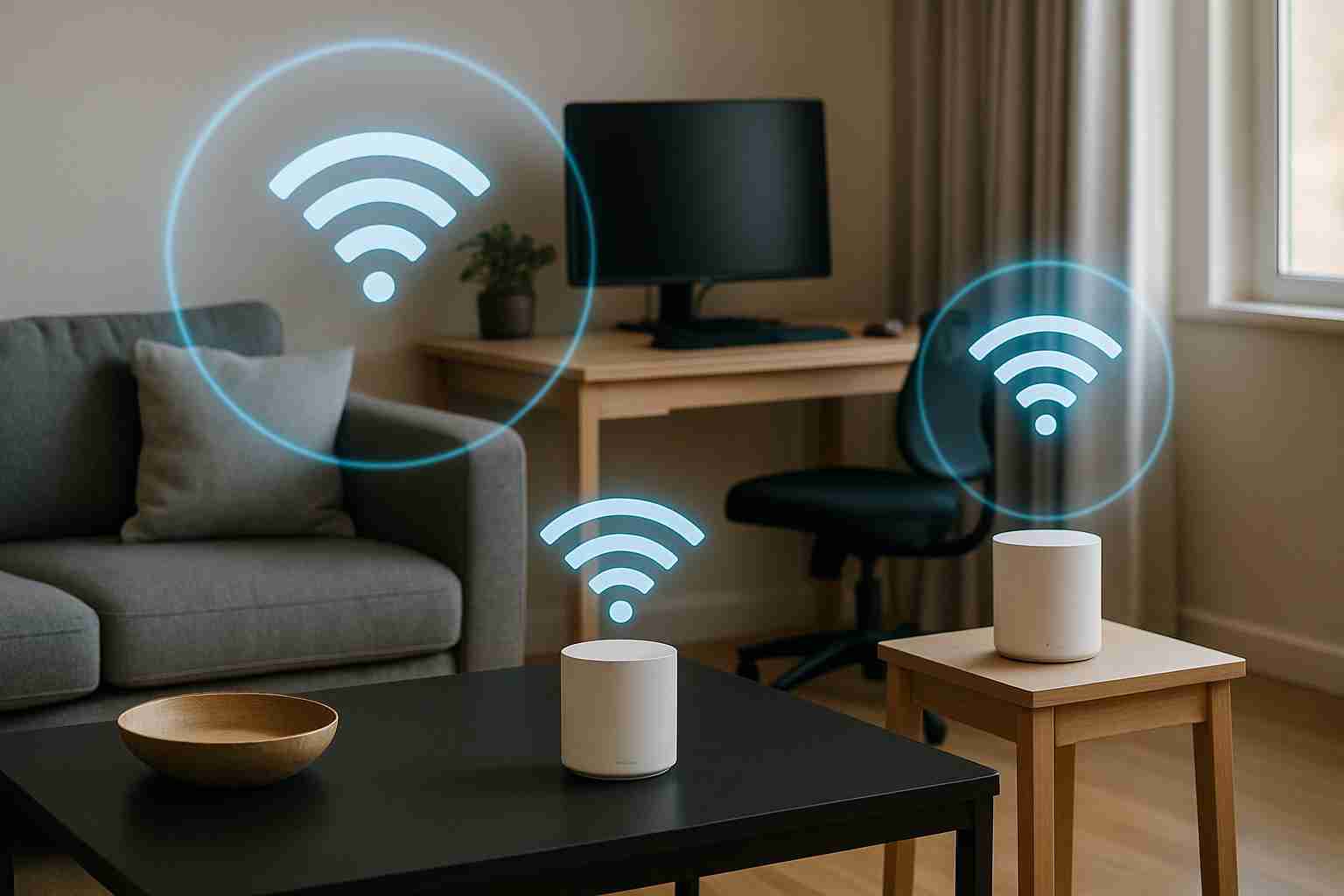
Meshtastic devices leverage LoRa technology to create decentralized, off-grid mesh networks, enabling text communication without reliance on cellular or Wi-Fi infrastructure. Ideal for hikers, emergency communication, and IoT projects, these devices provide a durable and low-power solution to stay connected in remote areas. This article explores the best Meshtastic devices and their features.
Understanding Meshtastic Technology and Its Applications
Understanding the array of devices that power off-grid mesh networks is crucial when choosing a reliable platform for meshtastic communication. These devices bring together LoRa radios, microcontrollers, and supplementary features into compact units designed to excel in challenging environments where conventional networks falter. At their core, the best meshtastic devices balance long-range connectivity, low power consumption, and ruggedness to ensure consistent, peer-to-peer data exchange over vast distances.
Modern mesh-enabled hardware typically integrates robust LoRa transceivers with widely supported microcontrollers such as the ESP32 or the nRF52840. This combination facilitates dual communication modes: LoRa for long-range, low-bandwidth mesh networking, and Bluetooth or Wi-Fi for seamless device-to-mobile app pairing. Having GNSS (Global Navigation Satellite System) capabilities embedded in some units enhances location tracking, which is invaluable for outdoor use, emergency coordination, or asset monitoring in off-grid scenarios. These hardware choices create versatile nodes capable of extending network reach while maintaining battery efficiency — an essential trait for prolonged off-grid operation.
Durability also plays a key role in the best hardware selections. Devices built with rugged, weather-resistant enclosures accommodate enterprise-grade use in harsh outdoor environments like forests, mountains, and disaster zones. Designers often prioritize straightforward physical interfaces—buttons, LED indicators, and easy-access charging ports—to reduce reliance on complex configurations or continuous user intervention in the field.
Furthermore, varied device configurations cater to different user profiles. Hobbyists may gravitate toward open-source-friendly boards that encourage customization and integration into DIY projects. In contrast, communities and rescue organizations often prefer robust commercial kits that bundle user-friendly firmware, pre-assembled circuits, and comprehensive support to deploy dependable emergency messaging networks with minimal setup complexity.
Understanding these traits clarifies why selecting the right hardware is pivotal for guaranteed technology performance and user satisfaction. A superior choice not only maximizes effective coverage and battery life but also aligns perfectly with the unique demands of remote communication—transforming disparate users into resilient, connected networks where traditional infrastructure cannot reach.
Reviewing the Best Meshtastic Devices on the Market
When evaluating the best meshtastic devices for off-grid communication, several standout options emerge, each catering to distinct user priorities and environments. Prominent among these are commercial boards and kits built around the ESP32 and nRF52840 chips, which combine LoRa for long-range, low-power radio communication with Bluetooth Low Energy (BLE) for convenient device pairing and configuration.
The Heltec WiFi LoRa 32 series, based on ESP32, is a favorite among hobbyists who want versatile, open-source hardware capable of both LoRa and BLE. Its integrated OLED display eases debugging and monitoring, making it accessible even for those newer to mesh networking. The board boasts robust dual-core processing and sufficient memory for running custom firmware while maintaining solid LoRa transmission ranges, often exceeding several kilometers under optimal conditions.
Another popular choice is the TTGO T-Beam, which pairs an ESP32 with a GPS module, adding GNSS functionality that enables location tracking—a vital feature for outdoor activities and emergency scenarios. With a sizable battery capacity and convenient onboard buttons, the T-Beam balances ease of use and customization potential, making it a go-to for outdoor adventurers and community networks seeking dependable positioning data alongside mesh communication.
For users focused on advanced features, the nRF52840-based Thingy:91 delivers cutting-edge connectivity with excellent power efficiency. This device integrates LoRa, BLE, and GPS in a compact form factor and supports secure GPS data encryption, appealing to professional applications where data integrity and security are paramount.
Durability is another key factor, and ruggedized versions of these boards or custom-built enclosures greatly extend device lifespan in harsh environments—from extreme temperatures to damp or dusty conditions. This ensures reliable performance when it matters most, whether you’re organizing a search and rescue mission or maintaining communication in disaster zones.
Overall, these devices reflect the range of meshtastic hardware available: from DIY-friendly, feature-packed development boards to robust, ready-to-deploy kits. They empower users not only to create personal communication hubs but also to build scalable community mesh networks capable of sustaining reliable, long-range messaging when conventional infrastructure fails. Embodying the synergy of LoRa and BLE on powerful chips, these platforms represent the forefront of off-grid connectivity technology.
Selecting the Right Meshtastic Device for Your Needs
When selecting the right Meshtastic device, it’s essential to consider several practical factors that tailor the technology to your specific communication needs and environment. The required communication range is paramount: in open, unobstructed landscapes, devices with moderate transmission power may suffice, but rugged terrain peppered with trees, hills, or buildings demands hardware with higher output capabilities and advanced antenna design to maintain stable links. This ensures your mesh network remains robust, preventing dead zones where messages could fail to relay.
Equally crucial is battery life, especially if your device will serve in remote or off-grid conditions for extended periods. Models with energy-efficient chips and configurable power settings – such as adjustable transmission intervals or sleep modes – can extend the operational window significantly. Portable, rechargeable batteries or options to integrate external power sources further enhance usability in prolonged field deployments.
Device compatibility and ease of integration with smartphones and other personal gadgets shouldn’t be overlooked. Devices that support seamless Bluetooth Low Energy (BLE) pairing and provide intuitive mobile applications simplify user experience and encourage adoption. This ease of interface becomes vital when expanding networks, as it allows virtually anyone to join and manage nodes without deep technical knowledge, fostering community inclusivity.
Scaling mesh networks introduces its own complexities. As the number of nodes increases, so does the potential for network congestion and signal interference. Selecting devices with dynamic channel management and adaptive data routing mitigates these issues, maintaining fluid communication even during heavy traffic or emergencies. Additionally, deploying nodes strategically to optimize signal overlap ensures maximum coverage without redundant signal collisions.
Lastly, consider the long-term reliability of your setup. Devices boasting rugged, weather-resistant builds withstand harsh conditions, reducing downtime. Firmware support and open-source communities contribute to ongoing enhancements that keep devices compatible with evolving technology standards. Combining these considerations empowers users—from solo adventurers to community groups—to craft resilient, efficient mesh networks that serve both personal and collective communication needs with confidence and clarity.
Conclusions
Meshtastic devices offer a unique and practical solution for reliable, long-range communication where traditional networks fail. By understanding the technology, comparing top devices, and considering your specific communication needs, you can select the best Meshtastic hardware to maintain connectivity off the grid. This empowers users ranging from outdoor enthusiasts to emergency responders with dependable, decentralized messaging capabilities.