Meshtastic devices enable long-range, low-power off-grid communication via decentralized mesh networks using LoRa technology. Ideal for outdoor adventurers, emergency preparedness, and IoT projects, these devices operate without conventional infrastructure. This article delves into the best Meshtastic devices available, their applications, advantages, and how to choose the right setup for your needs.
How Meshtastic Technology Revolutionizes Off-Grid Communication
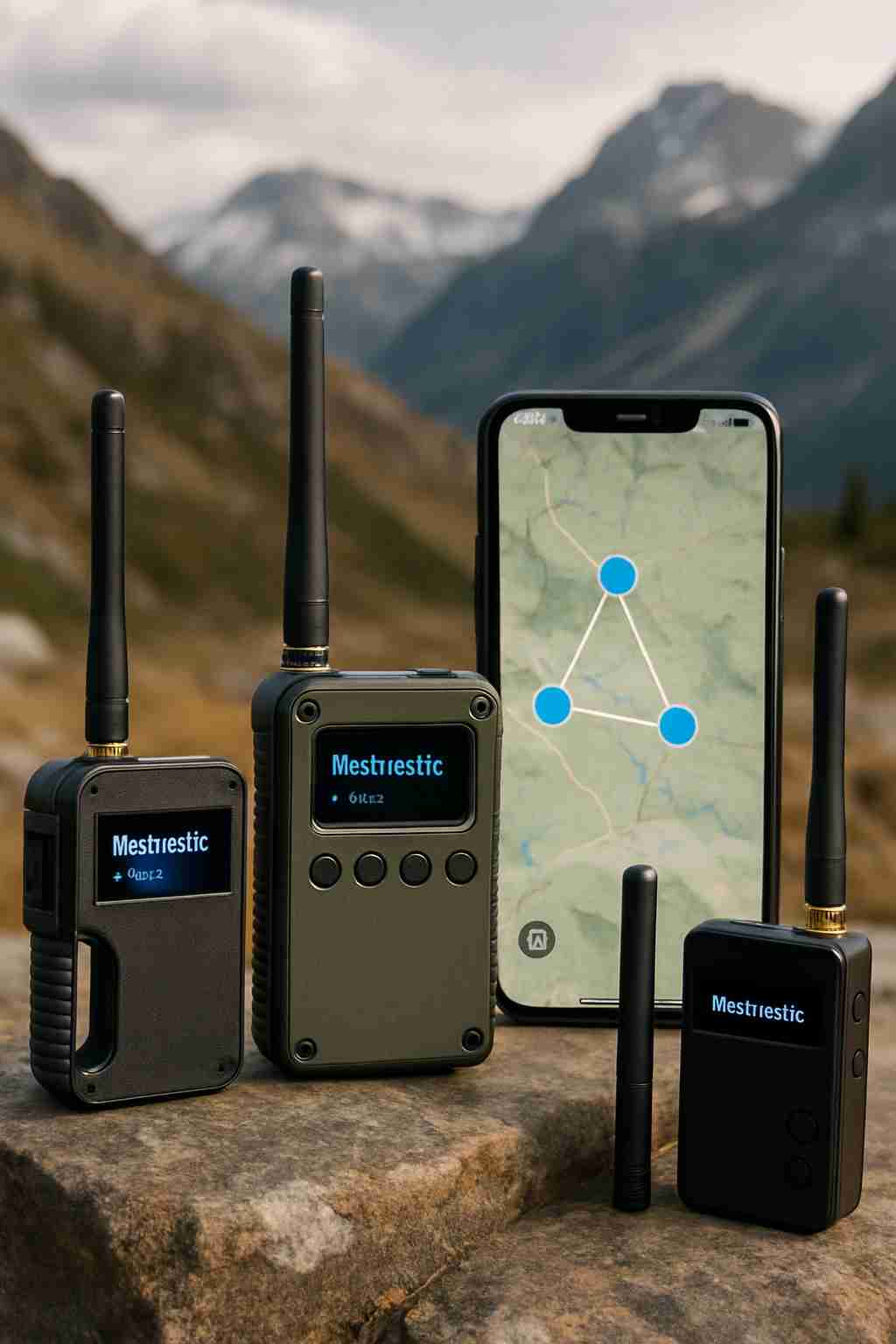
When exploring the best meshtastic devices today, the market offers an enticing blend of versatility, power efficiency, and ease of use that caters to both off-grid communication enthusiasts and practical home applications. Leading this landscape are development boards built on robust platforms like the ESP32 and nRF52840. These platforms ingeniously marry LoRa’s long-range capabilities with Bluetooth connectivity, creating devices that are not only reliable but also smartly integrated with smartphones via companion apps. This connectivity offers intuitive control over messaging and location tracking, turning your phone into a command center for your mesh network.
Commercially available meshtastic kits have gained popularity for their plug-and-play convenience. These ready-made devices come equipped with GNSS modules, enabling precise geolocation that proves invaluable for outdoor use—whether hiking in remote wilderness or coordinating emergency response teams during disasters. Their compact form factors and user-friendly interfaces make them highly portable, eliminating the steep learning curve traditionally associated with low-level radio technology operation.
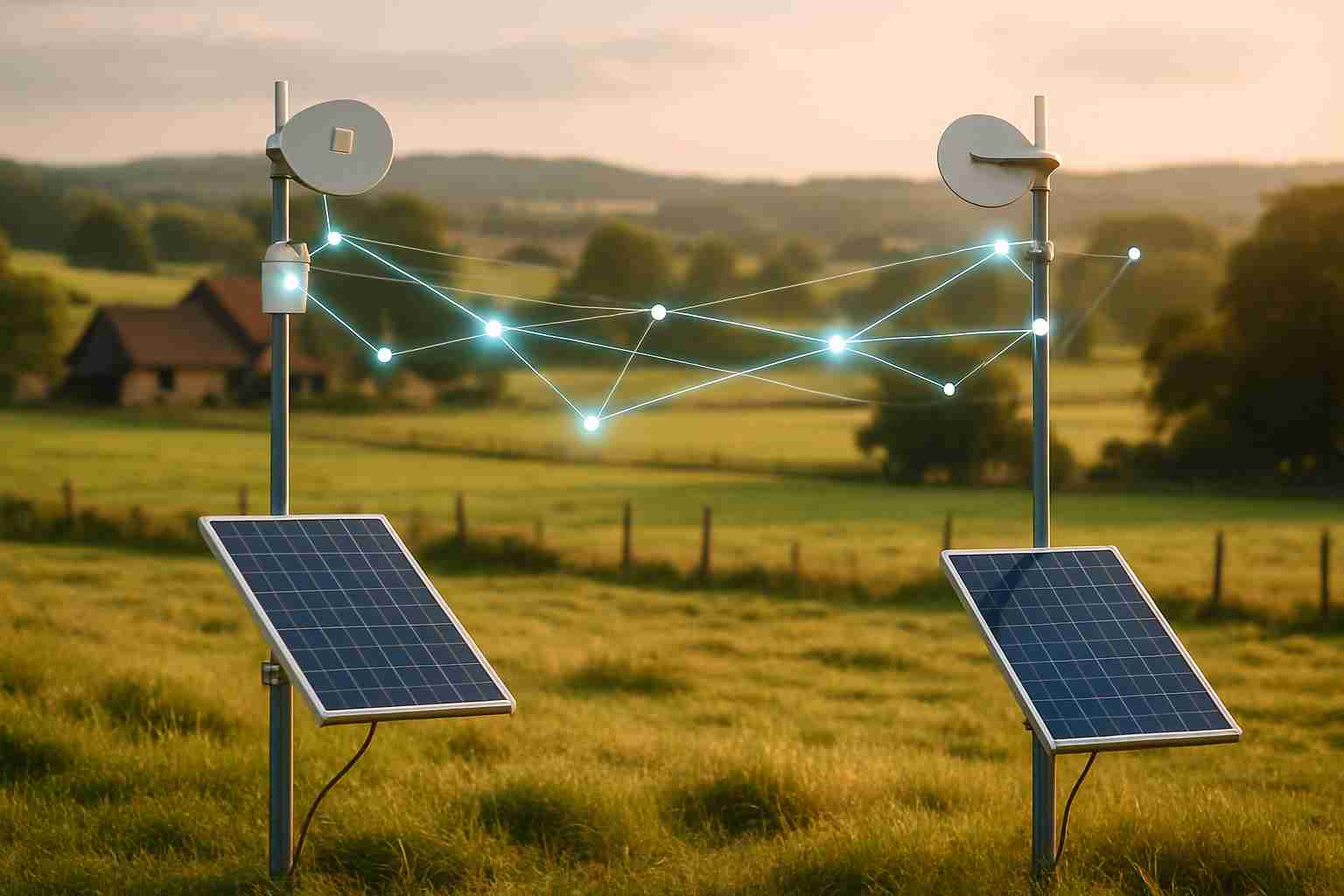
One of the most exciting frontiers in technology is the emergence of novel firmware updates and device prototypes designed to support vastly larger networks. These advancements empower users to create mesh networks with thousands of nodes, a feature that unlocks potential for large-scale events, municipal backup communications, or expansive home security systems. Imagine a neighborhood-wide network that maintains connectivity even when conventional infrastructure fails—a powerful safety net made achievable through evolving hardware and software synergy.
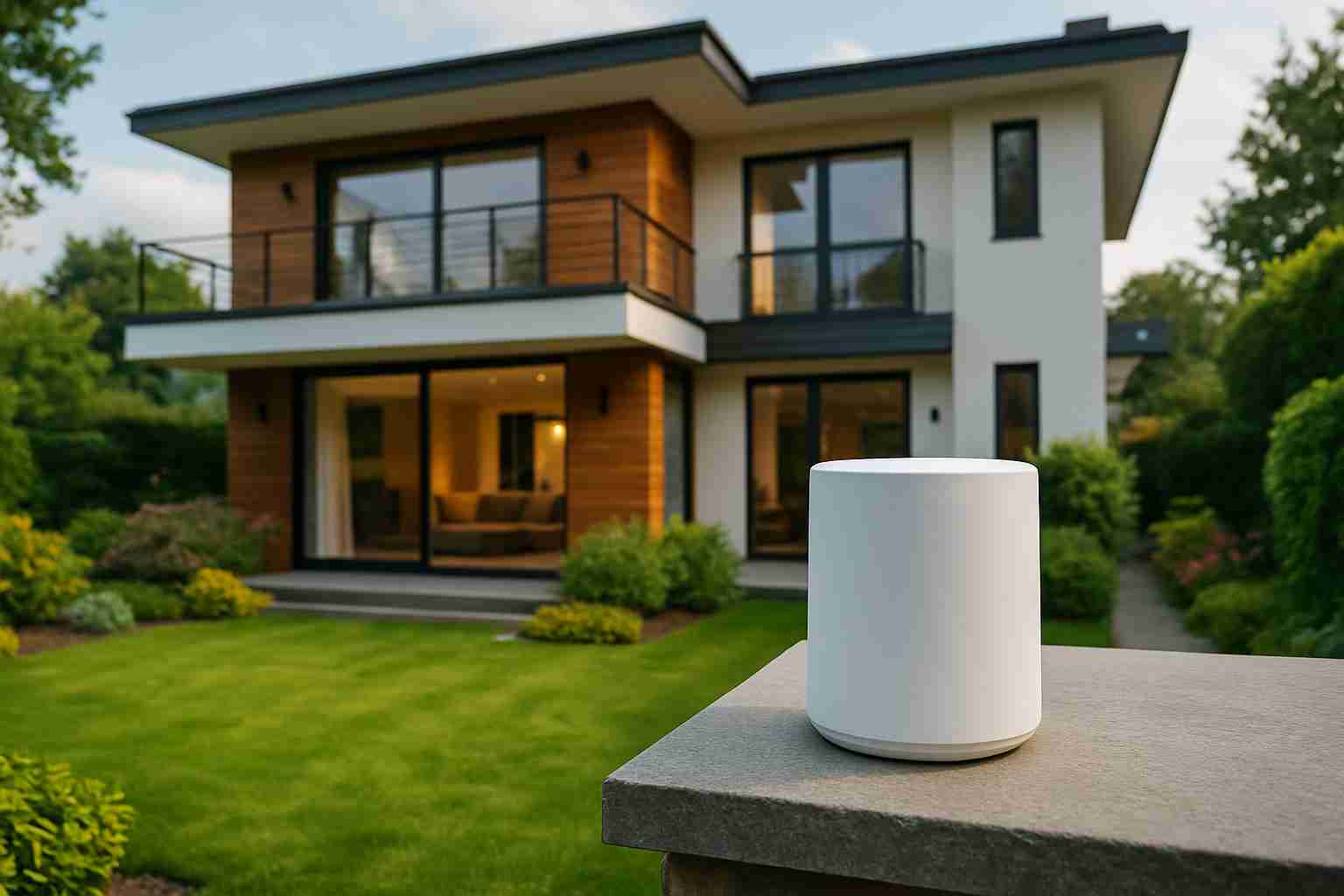
From a practical perspective, these devices enhance home security by enabling communication independent of vulnerable cellular or Wi-Fi networks. Outdoors, their extended range and resilience provide peace of mind, allowing hikers, campers, and remote workers to maintain seamless communication where traditional signals falter. The evolving ecosystem around these devices underscores a pivotal shift toward accessible, decentralized networks that put control and reliability directly in the hands of users.
Top Meshtastic Devices and Upcoming Innovations
Among the finest devices harnessing the capabilities of meshtastic networks, commercial development boards such as the ESP32 and nRF52840 stand out prominently. These platforms combine robust LoRa radio frequency modules with Bluetooth connectivity, enabling seamless interaction between long-range mesh nodes and everyday smartphones. The ESP32-based modules are prized for their versatility and relatively low cost, making them ideal entry points for hobbyists and casual outdoor enthusiasts. Conversely, the nRF52840 boards offer enhanced power efficiency coupled with a rich set of peripherals for advanced users who may want to integrate additional sensors or customize their setups extensively.
Ready-made meshtastic devices bring convenience and portability to the forefront. Kits such as the Heltec WiFi LoRa boards or the widely favored T-Beam device come preassembled with integrated GNSS chips, offering precise location tracking critical for both outdoor adventurers navigating remote terrain and home security systems monitoring property perimeters. The ease of Bluetooth app connectivity amplifies user experience by allowing immediate, intuitive control and message management through smartphones, without requiring deep technical know-how to get started.
On the horizon, the landscape of meshtastic hardware is evolving with exciting prototypes and firmware advancements. Emerging devices are pushing the boundaries by scaling mesh networks to encompass thousands of nodes, enabling expansive communication grids suitable for large-scale events, disaster response coordination, or municipal backup communication systems. These innovations leverage improved mesh routing algorithms and higher node density support, ensuring resilient, low-latency communication even across sprawling or urban environments.
For home security, this means an affordable, decentralized notification system that remains reliable amid cellular outages, providing peace of mind with granular location data and encrypted messaging. Outdoors, these devices empower groups—from hikers to search and rescue teams—to stay connected without relying on traditional infrastructure, significantly enhancing safety and operational efficiency. As the technology matures, users can expect increasingly seamless integration between devices, longer battery life, and smarter network management tools, broadening the practical benefits of meshtastic-enabled communication. This maturation paves the way for more widespread adoption in both private and community-scale applications.
Choosing and Using Meshtastic Devices for Your Needs
When selecting the right meshtastic device setup, it’s crucial to begin with a clear understanding of your primary use case. Casual hikers might prioritize compact, lightweight units with robust battery life and easy smartphone connectivity via Bluetooth, enabling seamless communication without carrying bulky gear. In contrast, those focused on emergency preparedness benefit from devices with extended range, durable construction, and long-lasting batteries to maintain reliable links during unforeseen events. For burgeoning smart community networks, scalability and interoperability between different hardware models become focal points, requiring a balance between device compatibility and network capacity.
Core factors influencing choice include range — ensuring nodes can communicate across expected distances without interruption — and battery lifespan, which dictates how long devices remain operational in the field. Easy setup is another keystone; the best devices pair effortlessly through intuitive apps, reducing barriers for less technical users. Bluetooth compatibility is particularly valuable as it allows real-time interaction with smartphones for messaging and location sharing, enhancing user experience without requiring additional equipment.
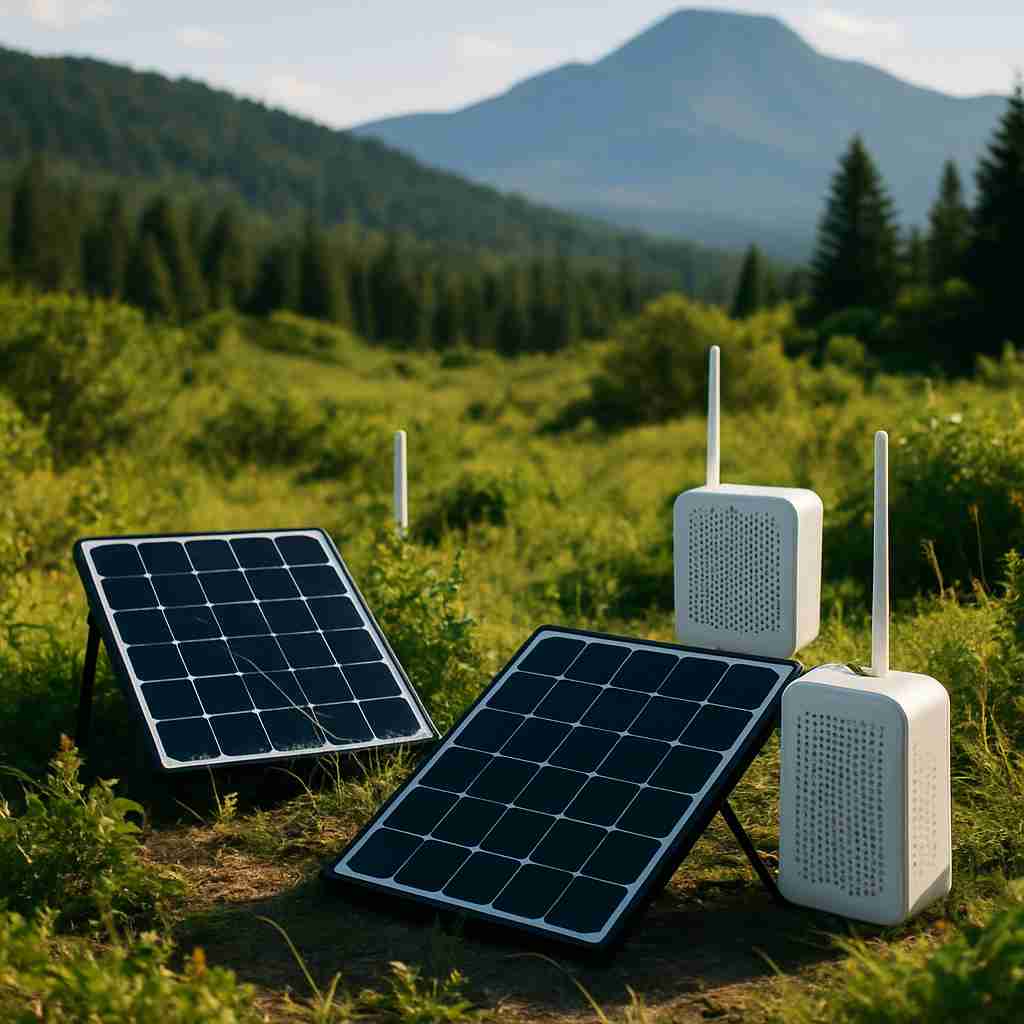
Optimizing node placement dramatically improves network reliability. Aim for elevated, open areas to minimize physical obstructions that degrade radio signals. Avoid dense foliage, walls, or large metal objects blocking line-of-sight pathways between nodes. Strategic spacing ensures that each node functions as a strong relay, effectively extending the mesh’s reach while avoiding signal dropouts. Periodic testing and adjustments based on terrain and environment nuances will maximize performance.
Maintaining a robust mesh network requires keeping device firmware updated; this unlocks new features, patches vulnerabilities, and improves stability. Thanks to open-source software foundations, users benefit from continuous community-driven enhancements, ensuring devices evolve with user needs and technology advances. Active forums and user groups provide invaluable support for troubleshooting and network expansion.
Balancing cost against functionality depends on the intended application: entry-level gear suits casual use, while mission-critical setups justify investment in higher-spec units with extra features. Ultimately, selecting and deploying the right meshtastic devices harnesses their full potential for reliable, off-grid communication whether at home, on wilderness trails, or within community resiliency projects.
Conclusions
Meshtastic devices offer an innovative, resilient communication solution perfect for off-grid and remote environments. By leveraging long-range LoRa mesh networks, users gain low-power, decentralized messaging capabilities vital for outdoor activities and emergencies. Staying informed about the latest devices and best practices ensures you get the most reliable and efficient communications system tailored to your unique needs.