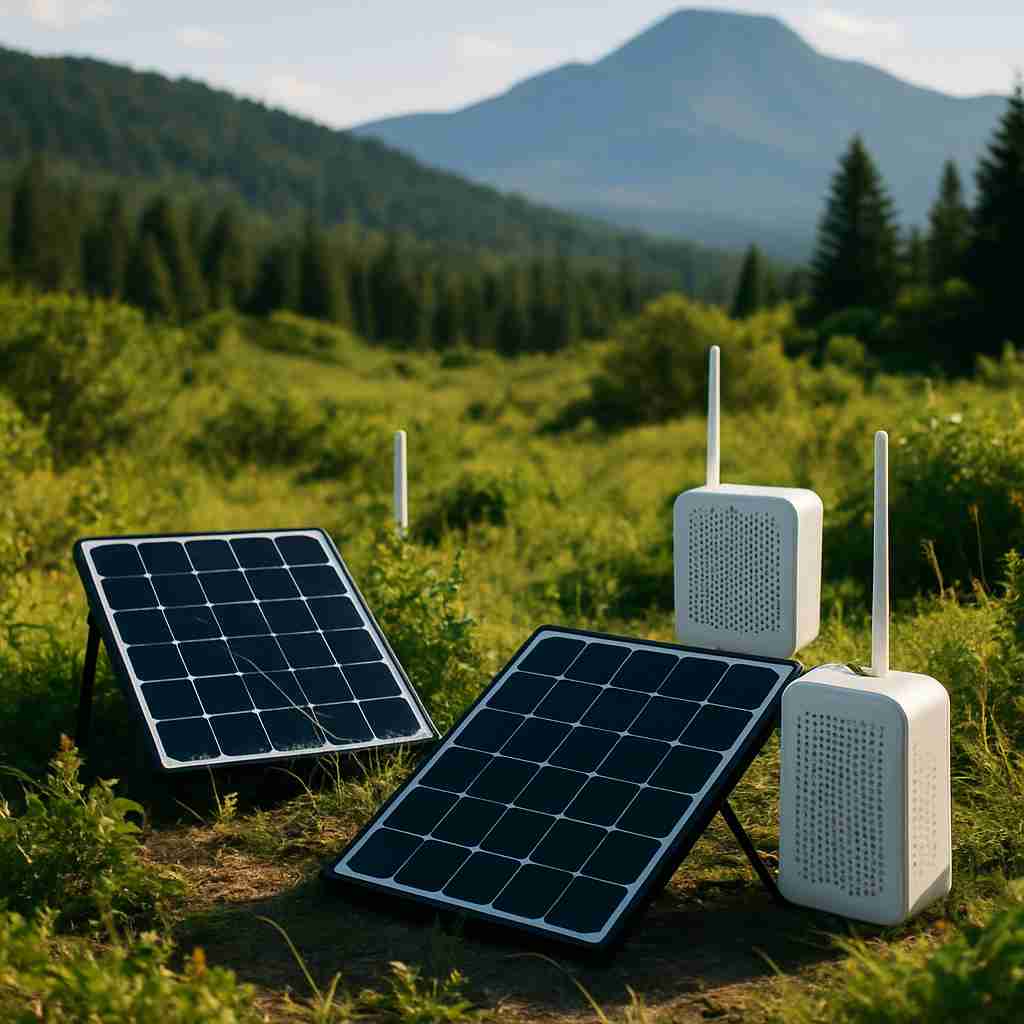
In today’s digital era, having strong and dependable internet access is vital for both work and leisure. With its flexible and adaptive wireless transmission, mesh networking has become a revolutionary approach to improving wireless communications. This article explores the intricacies of mesh networking, including the various mesh network configuration models it employs and the advantages of mesh networking it holds over conventional network frameworks.
Understanding Mesh Networking and Wi-Fi
Mesh networking is transforming the way we connect by linking nodes into a flexible, robust network web. Instead of relying on a single router as in the classic hub-and-spoke design, each device in mesh networks functions as a node, communicating directly and efficiently with others. This method significantly reduces single points of failure, providing strong and dependable communication paths.
Within Wi-Fi, these distributed wireless networks stand out by bridging coverage gaps often found in larger or architecturally complex areas. Whenever a mesh networking technology node faces an obstacle or congested channel, it dynamically reroutes data through alternate nodes, ensuring continuous web connectivity. This grants users a seamless experience, allowing devices to transition smoothly between nodes without losing connection.
The flexibility of mesh networks is crucial in settings where demand and space vary. By strategically positioning mesh networking devices, dead zones disappear, resulting in consistent signal strength across the entire service area. This groundbreaking mesh wireless networking solution not only improves the user experience but also offers expandable network services for wide-ranging environments, marking a significant step forward in the future of wireless communication.
Components of a Wireless Mesh Network
Within the domain of mesh networking technology, the essential elements that hold the network intact are mesh routers and mesh clients. Serving as the backbone, mesh routers enable communication among different nodes and guarantee the smooth transfer of data throughout the system. These routers establish a direct connection to your Internet source, weaving a network of connectivity that continually sustains Wi-Fi strength across every area. Conversely, mesh clients include devices such as smartphones, laptops, and tablets that connect to this network and enjoy its extensive mesh wireless coverage.
A standout feature of this arrangement is its mesh network fault tolerance. When a router encounters a failure, the mesh architecture automatically reroutes data through alternate nodes. This adaptive data routing is made possible by intelligent routing algorithms, which select the best possible paths for data packets, thereby ensuring consistent performance while reducing the chance of data loss or latency.
As mesh networking technology continues to advance, the collaboration between mesh clients and routers strengthens, transforming how we stay connected by providing continuous service in both residential and commercial settings.
The Intricacies of Mesh Network Topology
A revolutionary connectivity approach is represented by mesh network topology through its unique web-like design. Rather than depending on a single node, mesh networking technology enables every node to connect directly with multiple mesh networking devices, forming a robust distributed wireless network. This creates redundancy, so if one mesh network point goes down, data can be rerouted via others, preserving the network’s integrity. These self-repairing network features deliver unmatched dependability, which differs greatly from traditional network configurations such as star or ring, where one failure point can interrupt the whole system.
Conversely, star topology focuses communication around a central hub—if this hub fails, all communication ceases. Ring topology, linking each mesh connectivity unit to two neighbors in a loop, risks large network segments becoming disconnected if a single link breaks. As increasing demand arises from homes and enterprises for continuous, uninterrupted online access, mesh network systems become an ideal choice by providing adaptive data routing while minimizing downtime. This inherent resilience highlights why mesh networking technology stands out in environments where steady connectivity is vital. Moving towards innovative smart spaces, grasping the distinctions in network topology assessment underscores the importance of selecting the right network architecture.
Benefits of Mesh Networks for Home and Business
Mesh networks present numerous advantages of wireless mesh networking that appeal to both residential and commercial settings. One of their most notable perks is the expanded coverage they deliver. While conventional routers often suffer from limited reach, creating connectivity dead zones, mesh networking technology surrounds spaces with a steady signal, effectively wiping out these dead spots and guaranteeing connection in every nook and cranny.
Another important mesh network benefits is the enhancement of data speeds and dependability. Because each mesh networking devices communicates directly with adjacent nodes, data travels through the quickest, most efficient pathways. This leads to a fluid user experience crucial for high-definition streaming or competitive online gaming, where lag can be detrimental. For businesses, this reliability means uninterrupted workflows, increased efficiency, and heightened customer satisfaction.
Additionally, scalability stands out as a core mesh network technology advantages. Expanding your network by adding more nodes is simple as demands grow. Whether managing a large home or a bustling office, mesh networks offer adaptive solutions that effortlessly scale, ensuring strong internet access for all users.
Applications and Future Prospects of Mesh Networking
Mesh network technology is revolutionizing connectivity, enabling a broad spectrum of uses in metropolitan areas, intelligent residences, and more. In cities, these infrastructures provide extensive mesh network signal area, guaranteeing uninterrupted online access in communal spaces and boosting the operation of public transit through instant data exchange. Within smart home automation using mesh technology, mesh network technology facilitates the synchronization of multiple IoT gadgets, improving automation and building integrated environments where devices interact smoothly.
During crises, resilient mesh networking solutions offer robust communication methods, assisting first responders and agencies in sustaining vital communication channels even if conventional networks collapse. As technology progresses, these systems will continue to develop. With future advances like 5G mesh network consolidation and stronger cooperation with smart city mesh network systems, mesh networks will provide faster and more dependable connections worldwide. These innovations not only enhance connectivity but also foster smarter connected spaces that respond adaptively to users’ requirements, fundamentally reshaping our digital world in unprecedented ways.
Conclusions
An inventive method for wireless communication is offered by mesh networking, which addresses connectivity issues through its scalable and resilient structures. When combined effortlessly with current technologies, mesh networks improve both coverage and reliability, establishing themselves as fundamental to upcoming connectivity solutions. As technology advances, the role of mesh networking in transforming the way we communicate and connect will be unquestionably significant.