In today’s interconnected world, autonomous communication devices and LoRa mesh networking solutions present groundbreaking approaches for communication beyond conventional infrastructure. These systems provide protected long-distance communication and distributed communication platform capabilities, ideal for scenarios where standard networks are unavailable, driving progress in both daily use and critical emergency situations.
Meshtastic Devices and Their Role in Off-grid Communication
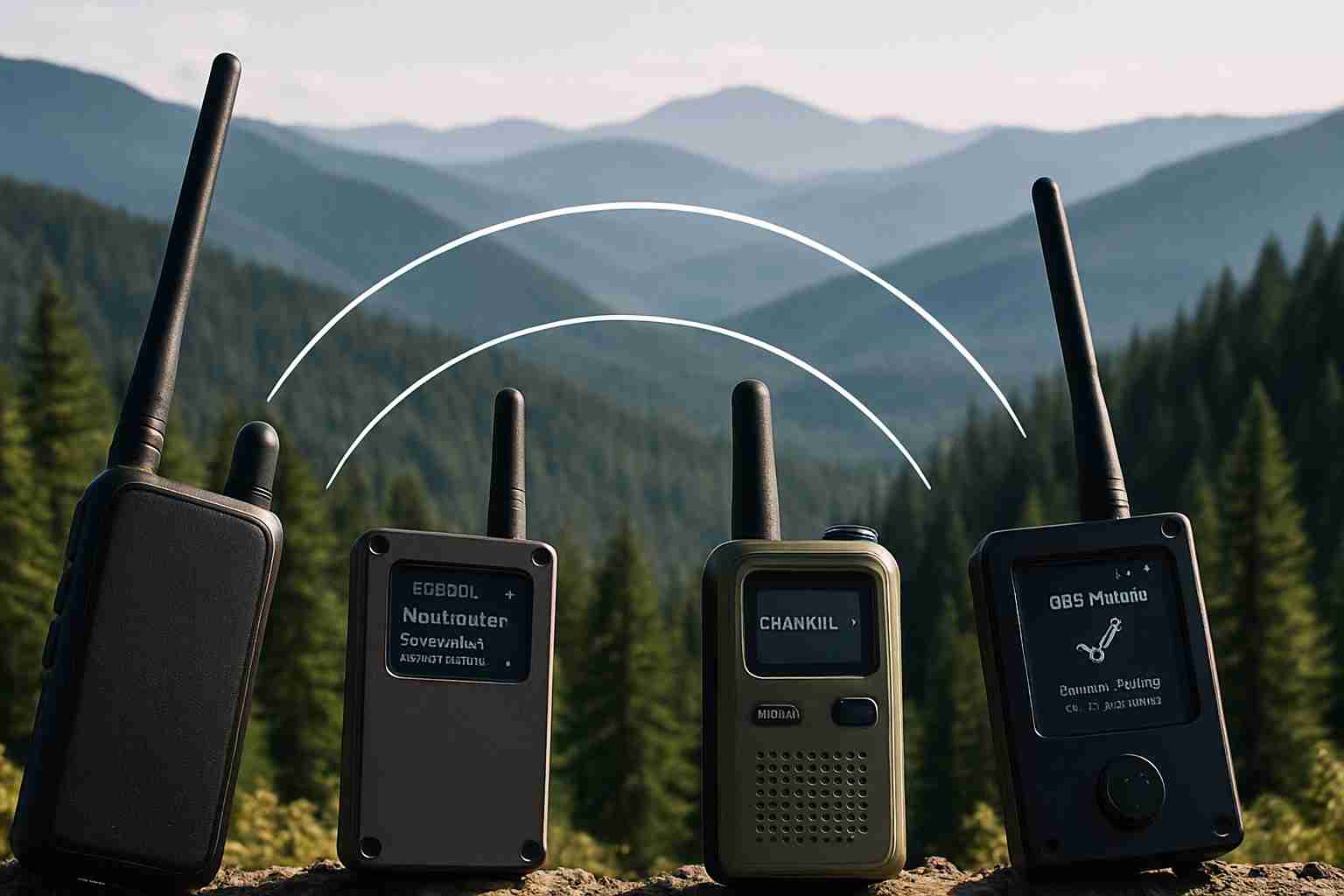
Meshtastic devices are transforming remote communication technology by utilizing LoRa communication protocol, which enables extended wireless transmission without relying on existing infrastructure. At the heart of these tools are the ESP32 and nRF52840 microcontrollers. Known for their performance, these components include Bluetooth and WiFi, facilitating smooth connectivity with smartphones and other gadgets. The community-driven approach behind meshtastic device features highlights a development process focused on flexibility and user collaboration.
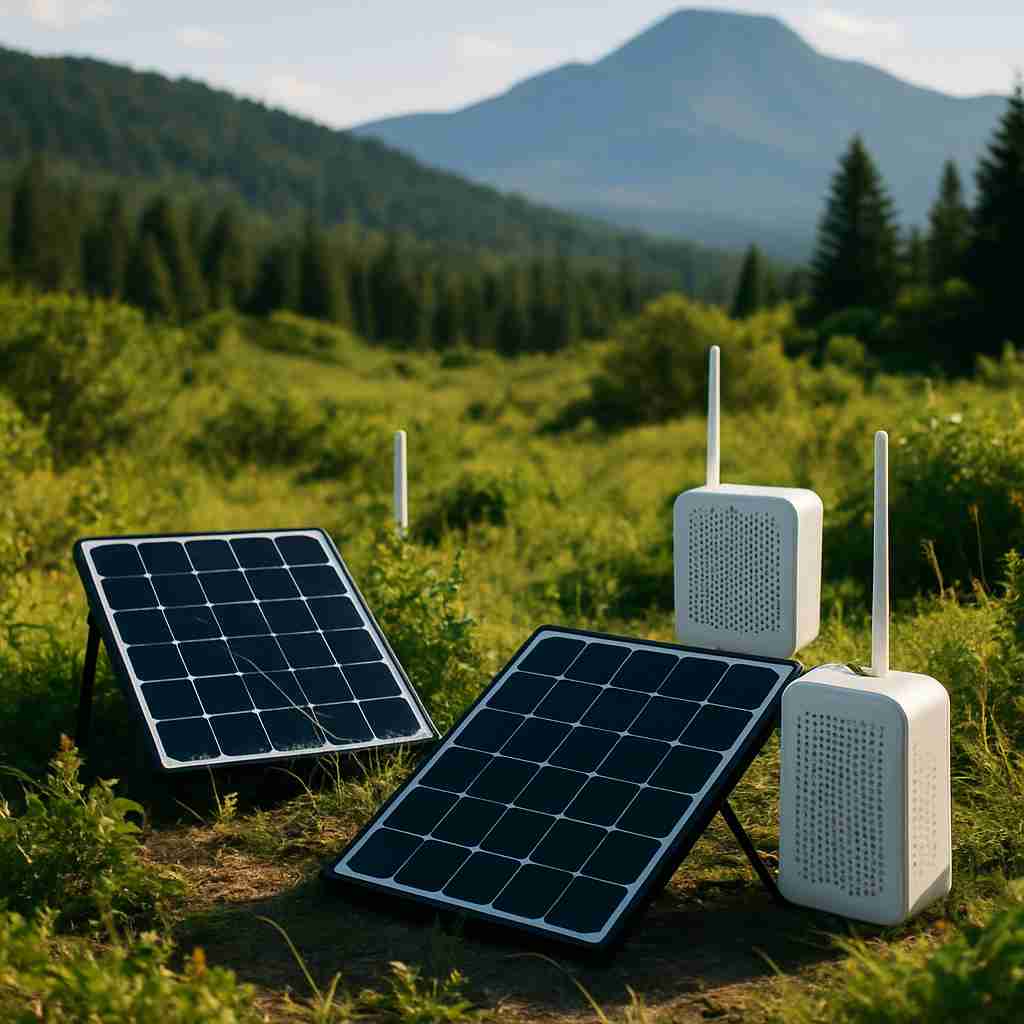
Their practical applications are unmatched. In scenarios such as remote camping or disaster zones, these devices provide steady communication, proving their resilience under tough conditions. Designed for ease and efficiency, they minimize reliance on SIM cards or internet access, making them essential in places where traditional networks fail. Combining low power consumption with wide-area wireless communication significantly enhances their usability, positioning them as crucial assets for outdoor adventurers and emergency personnel who need reliable, secure channels without depending on standard networks.
Understanding LoRa-based Mesh Networking
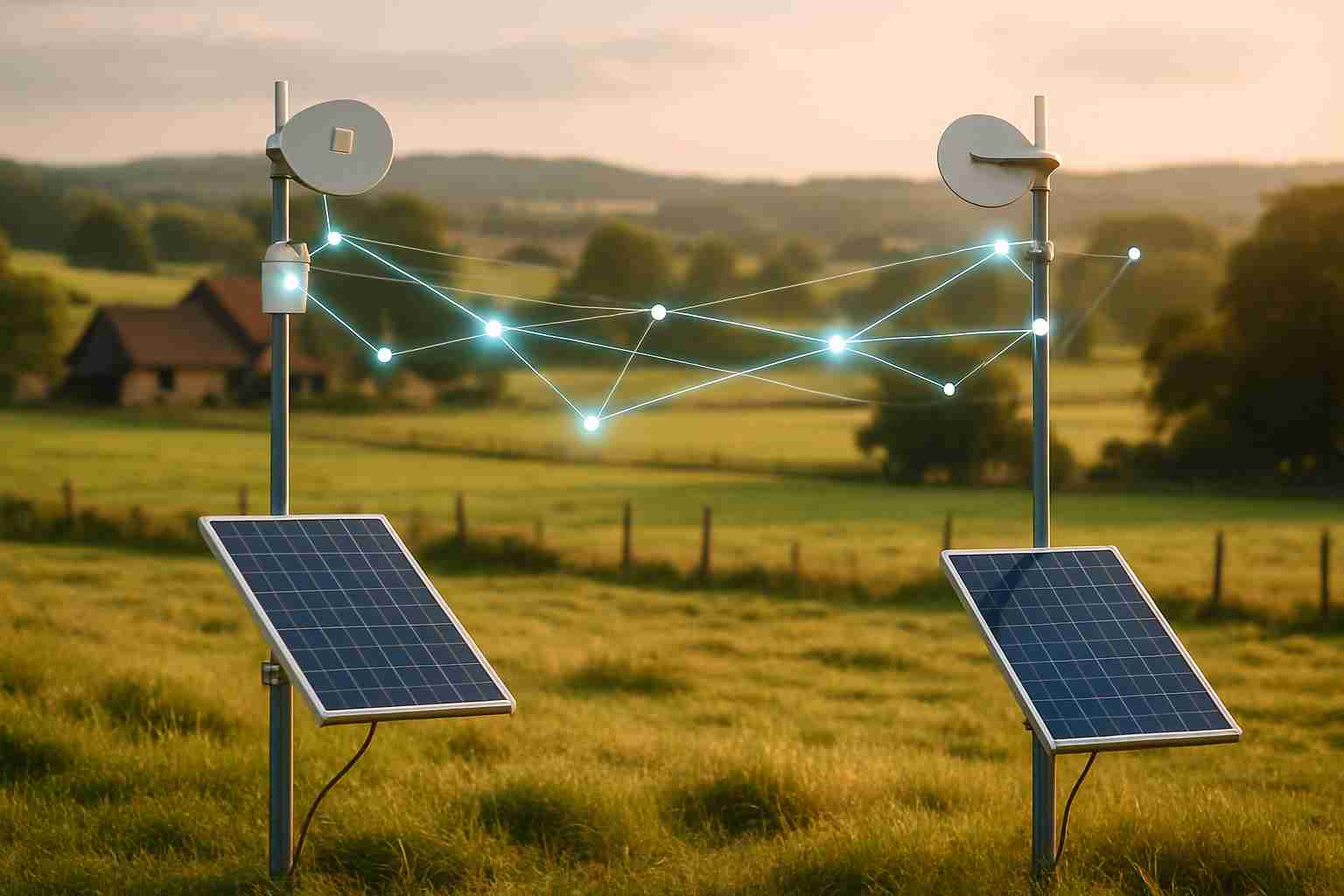
In the field of connectivity, LoRa-based mesh networking emerges as a revolutionary solution. It leverages Long Range technology to construct resilient and flexible communication frameworks. Unlike conventional networks, these systems flourish without relying on any pre-existing infrastructure, instead creating adaptable routes among nodes. This capability enables them to cover extensive regions efficiently and transmit data smoothly through difficult landscapes, making them suitable for diverse settings.
A notable trait of LoRa-based mesh networks is their scalability. The network effortlessly grows as additional nodes connect, delivering wider coverage without compromising performance. Each node functions dually as a hub and a data relay unit, guaranteeing continuous information flow even when some nodes encounter disruptions or failures.
The resilience of these networks in demanding environments is outstanding. Whether situated in thick forests, rugged mountains, or dense urban areas, LoRa mesh networks uphold dependable links. Their low power consumption extends battery longevity, perfectly aligning with off-grid communication devices. Delving into these versatile systems illustrates how they enable secure, long-distance wireless communication without dependence on existing infrastructure, cleverly tying into the potential of meshtastic device features.
Decentralized Mesh Networks: Building Resilient Communication Systems
At the core of mesh networks lies decentralization, presenting a flexible method for robust communication. By cleverly employing nodes that serve as both connection hubs and signal repeaters, these networks operate without relying on central control points. This design ensures continuous communication, even when segments go offline, by rerouting data to bypass failures and thus self-repairing effectively. Leveraging technologies like meshtastic device features, this distributed wireless communication technology drastically cuts maintenance demands while boosting fault-resilient data transmission, making the network both cost-efficient and highly functional.
Because each node can engage directly with its immediate neighbors, decentralization prevents any single failure from disrupting the entire system. This lack of dependence on centralized infrastructure enhances dependability and strengthens defense against cyber threats, as attacks have no singular target in decentralized communication protocols. Moreover, the ability to automatically adjust network paths guarantees sustained connectivity, which is vital for remote or off-grid communication scenarios.
These advantages demonstrate why decentralized mesh networks, armed with advanced meshtastic device features, lead the way in pioneering and secure communication solutions, setting the stage for adaptive and far-reaching communication systems.
Applications of Long-range, Encrypted Messaging
In today’s fast-evolving communication landscape, the need for dependable and secure systems is accelerating quickly. Technologies such as meshtastic device features enable encrypted wide-range data exchange, which is essential for both protecting privacy in urban settings and ensuring safety during remote expeditions. These standalone communication devices safeguard sensitive data and serve critical roles across a variety of scenarios.
Encrypted platforms like Signal are indispensable in metropolitan areas where the risk of data interception is significant, providing rigorous end-to-end encryption that blocks unauthorized parties and preserves user privacy. Conversely, when traditional networks are unavailable in remote expeditions, the mesh network communication system offered by meshtastic device features becomes a vital communication lifeline over extensive distances without depending on centralized infrastructure. This capability guarantees fast transmission of important information, thus enhancing the security of teams in the field.
The benefits extend to IoT devices as well, which require protected IoT data transmission channels to avoid breaches. Combining these technologies with encrypted messaging tools results in a seamless solution that minimizes vulnerabilities. The reliability and privacy these systems deliver strengthen trust in both consumer products and mission-critical implementations. As these decentralized wireless communication technologies continue to advance, they hold the promise of significantly improving connectivity and security, transforming communication methods in challenging environments.
Future Prospects of Off-grid and Mesh-based Solutions
The potential for mesh-based solutions in autonomous environments appears especially bright as these innovations keep advancing. Among the most fascinating developments is the investigation of meshtastic device features, crafted to enable protected long-distance communication without dependence on conventional infrastructure. These tools thrive at building resilient networks capable of functioning independently over wide areas, making them perfect for use in remote research sites and wilderness adventures.
With the rise of intelligent cities, mesh networks stand ready to improve urban management by providing efficient data exchange between IoT devices and traffic control centers. Incorporating meshtastic device features into personal portable networks allows users to stay connected even when standard systems are unavailable. This freedom from centralized networks delivers not only improved security but also robustness in regions vulnerable to disasters.
Advances in hardware engineering are stretching the boundaries of these devices’ capabilities, including the adoption of sophisticated mesh network cryptography that protects data flow. This changing environment promises users greater command over network operations, facilitating smooth node handoffs and fine-tuning the balance between efficiency and battery endurance. The future of mesh networking is vast, paving the way toward more interconnected and durable communication solutions.
Conclusions
Meshtastic devices and LoRa-based mesh networks effectively connect technology with geography by delivering flexible, secure, and dependable communication frameworks. As these technologies evolve, they hold significant promise for broadening connectivity, strengthening security, and enabling users worldwide to communicate beyond traditional boundaries.