Meshtastic provides a distinctive solution for off-grid, long-range communication by utilizing LoRa mesh networking technology. Ideal for outdoor enthusiasts and those in areas with limited connectivity, Meshtastic devices enable decentralized messaging and tracking. This article explores the best available Meshtastic devices, their applications, and how to select the right one for your needs.
Understanding Meshtastic Technology and Its Benefits
Meshtastic devices have become essential tools for reliable off-grid communication, employing innovative technology that makes them ideal for diverse applications. By leveraging LoRa mesh networking, these devices allow users to send text messages and transfer data without needing traditional cellular networks or Wi-Fi, making them perfect for remote or rural areas. This form of decentralized communication stands out due to its long-range radio protocols that operate with impressively low power consumption.
In contrast to typical communication systems, meshtastic devices thrive on peer-to-peer networking, creating a resilient mesh that does not depend on centralized infrastructure. This feature is particularly advantageous during outdoor adventures like hiking or in emergency situations such as natural disasters where conventional networks fail. Similarly, they prove invaluable for remote scientific missions where constant connectivity is pivotal for data collection and analysis.
These devices provide significant benefits for both personal and communal use. One of their standout features includes real-time location tracking, allowing users to keep tabs on group members during outdoor excursions. Additionally, their capability for emergency communication can be a critical safety net, providing a communication line when things go awry.
For those considering using meshtastic devices at home, their utility extends to ensure reliable communication networks without relying excessively on typical ISPs, offering a level of independence. However, their technology also comes with some limitations. The bandwidth is notably constrained, which limits data-heavy applications. Moreover, devices require a clear line of sight between nodes to optimize connectivity, which can be a challenge in highly obstructed environments.
Despite these constraints, the benefits of adopting technology based on LoRa mesh networking are numerous, and the devices are well-suited for both adventurous enthusiasts and those seeking reliable communication methods under challenging conditions. As new innovations continue to develop in this space, meshtastic devices will likely evolve to meet an even broader range of uses and improve existing functionalities.
Top Meshtastic Devices and Emerging Innovations
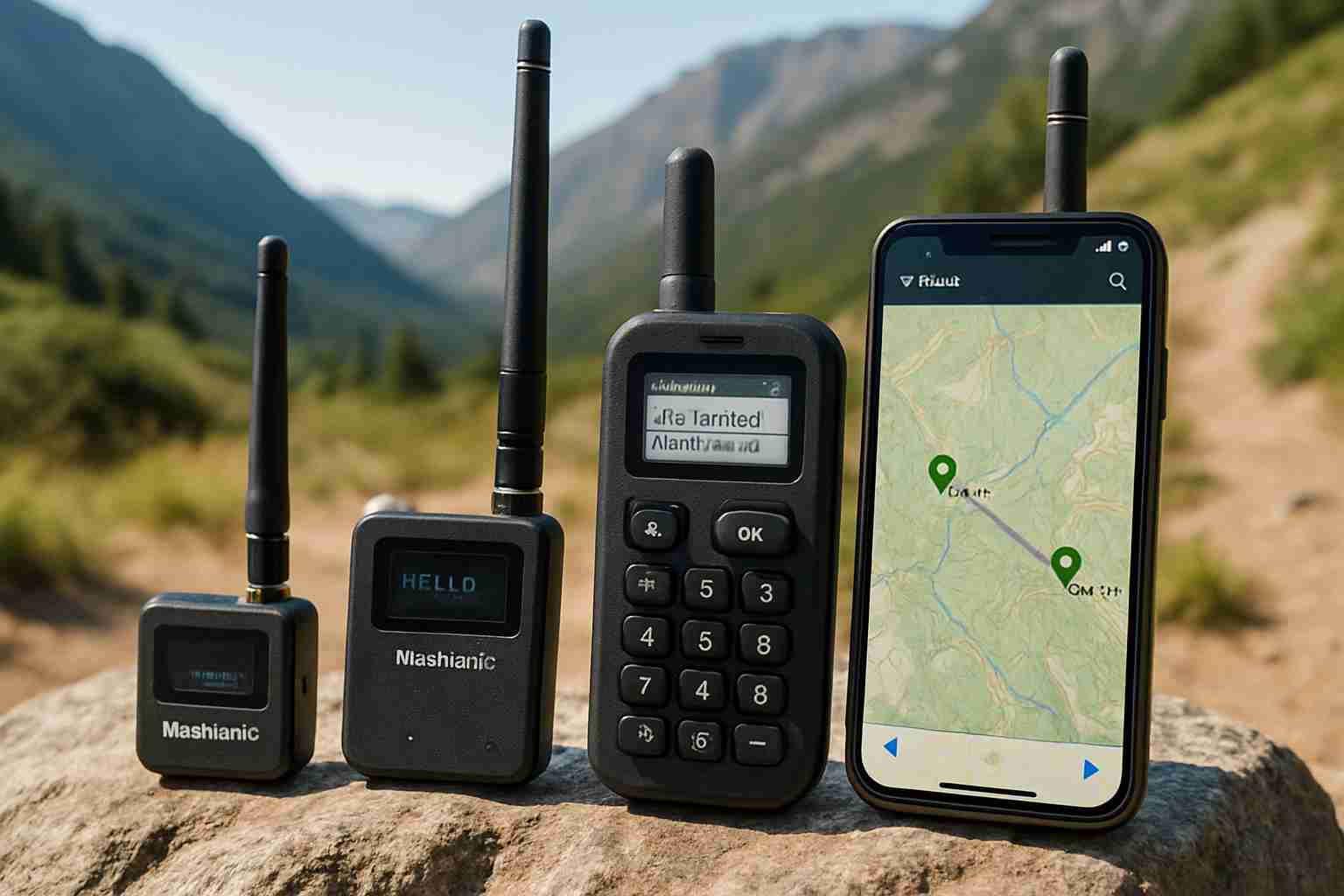
Exploring the realm of the best meshtastic devices unveils a fascinating array of options catering to both tech-savvy enthusiasts and practical users in need of reliable off-grid communication. At the forefront are commercial kits and DIY boards leveraging the robust technology behind ESP32 and nRF52840 hardware, offering impressive versatility. These devices often feature high-end attributes such as GNSS integration, essential for precise location tracking in remote areas, along with Bluetooth and Wi-Fi connectivity to ensure seamless integration with smartphones for those essential on-the-go communication needs.
For users prioritizing long-range performance, devices utilizing LoRa radio protocols stand out, facilitating dependable connections over significant distances with remarkable clarity. Emerging innovations in the meshtastic landscape include specialized firmware updates tailored for large-scale events, enhancing device synchronization and network capacity. These advancements not only boost user experience but also ensure that communication remains robust even in challenging environments—whether for outdoor enthusiasts exploring the wilderness or emergency responders in disaster zones.
The new wave of devices is marked by improved hardware reliability, an essential feature for unyielding expeditions in rugged terrains. User-centric designs are becoming a staple, with intuitive interfaces and durable construction that withstand the rigors of outdoor use. These design philosophies cater to the needs of hikers, community networks, and anyone requiring stable communication in areas where traditional infrastructure falters.
Another noteworthy trend is the rise of DIY kits, which empower users to tailor their meshtastic device to specific needs, fostering a community-driven approach to innovation. Such flexibility is invaluable for those in remote scientific missions or personal explorations where bespoke solutions are needed for unique challenges.
In summary, the world of technology in meshtastic devices is expanding and refining, offering an impressive arsenal for varied applications. Whether seeking durability, connectivity, or customization, these devices present a diverse range of solutions designed to navigate the demands of real-world scenarios with competence and creativity.
Choosing the Right Meshtastic Device for Your Environment
When selecting the ideal meshtastic device for your environment, your choice should align with the unique demands of your specific scenario. Begin by evaluating your terrain and communication range requirements. Dense forests or urban environments present significant obstacles that can impact the range and signal quality. Devices with robust signal penetration capabilities are ideal here. Consider meshtastic devices featuring enhanced antennas for better performance in challenging terrains.
Next, assess the expected user volume. A community event with numerous participants will require a device capable of managing high user loads simultaneously. Opt for devices with advanced network management features to handle increased demand without diminished performance.
Budget constraints are another crucial factor. While some high-end devices offer a wealth of features, they might not fit every pocket. Evaluate your needs against available options to strike a balance between cost and functionality. Devices offering modular designs are cost-effective, allowing you to expand your network over time.
Compatibility with smartphones via Bluetooth or Wi-Fi is pivotal for seamless messaging and location tracking, enhancing user experience and versatility in both emergencies and regular use. For home setups, a compact device with strong indoor performance will suffice, whereas outdoor and emergency contexts demand durability, weatherproofing, and longer battery life.
To maximize mesh network efficiency, strategize node placements carefully. Ideally, each node should maintain a clear line of sight with others to optimize coverage and minimize signal obstructions. Battery lifespan is another major consideration—select devices with energy-efficient designs to extend operational time. Regular firmware updates ensure your device stays current with the latest technology, safeguarding your investment into the future.
As technology evolves, consider forward-compatible devices that support new standards, like upcoming mesh protocols. This foresight ensures your network stays relevant and robust, just as you need it. Picking the right device is less about buying the most advanced model and more about finding one that aligns with your specific needs.
Conclusions
Meshtastic devices empower users with reliable, off-grid communication through decentralized mesh networking tailored for challenging environments. By understanding the technology, exploring the best devices, and carefully selecting a system suited to your needs, you ensure robust connectivity whether at home, outdoors, or during emergencies. This investment significantly enhances safety, coordination, and peace of mind in situations where conventional networks fail.