Leading the way in transforming how we manage long-distance IoT connectivity is LoRa mesh networking. This article uncovers how ultra-low-power IoT mesh devices and protocols such as MeshCore build robust distributed IoT systems that overcome hurdles in standalone communication solutions across various sectors. Delve into how these innovations are set to improve connectivity while maximizing energy efficiency, making them ideal for broad rural and isolated applications.
Introduction to LoRa Mesh Networking
LoRa mesh networking represents a revolutionary method to connect remote regions. Originating from IoT use cases, LoRa—short for Long Range—became popular for enabling data transfer over long distances while consuming very little power. When combined with mesh architectures, LoRa’s functionality is extended, forming a distributed network that spans large areas. This combination is vital in distant locations that lack conventional infrastructure, broadening the scope of connectivity where it matters most.
At the core of LoRa technology is its spread spectrum modulation technique, which plays a crucial role in providing reliable signal transmission. This approach supports extended-range communications through difficult landscapes, ensuring not only efficiency but also toughness. Operating independently of centralized systems, LoRa-based mesh networking decentralizes communication, continuing to function even if individual nodes go offline.
The resulting robust coverage and operational efficiency make LoRa a prime option for dependable long-distance connectivity. Additionally, its framework reduces power consumption, essential for off-grid locations with limited electricity supplies. As will be detailed in the following sections, LoRa-based mesh networking stands as a fundamental technology that advances standalone communication systems, breaking new ground and bridging connectivity voids across tough terrains.
Off-Grid Communication and the Role of Mesh Networks
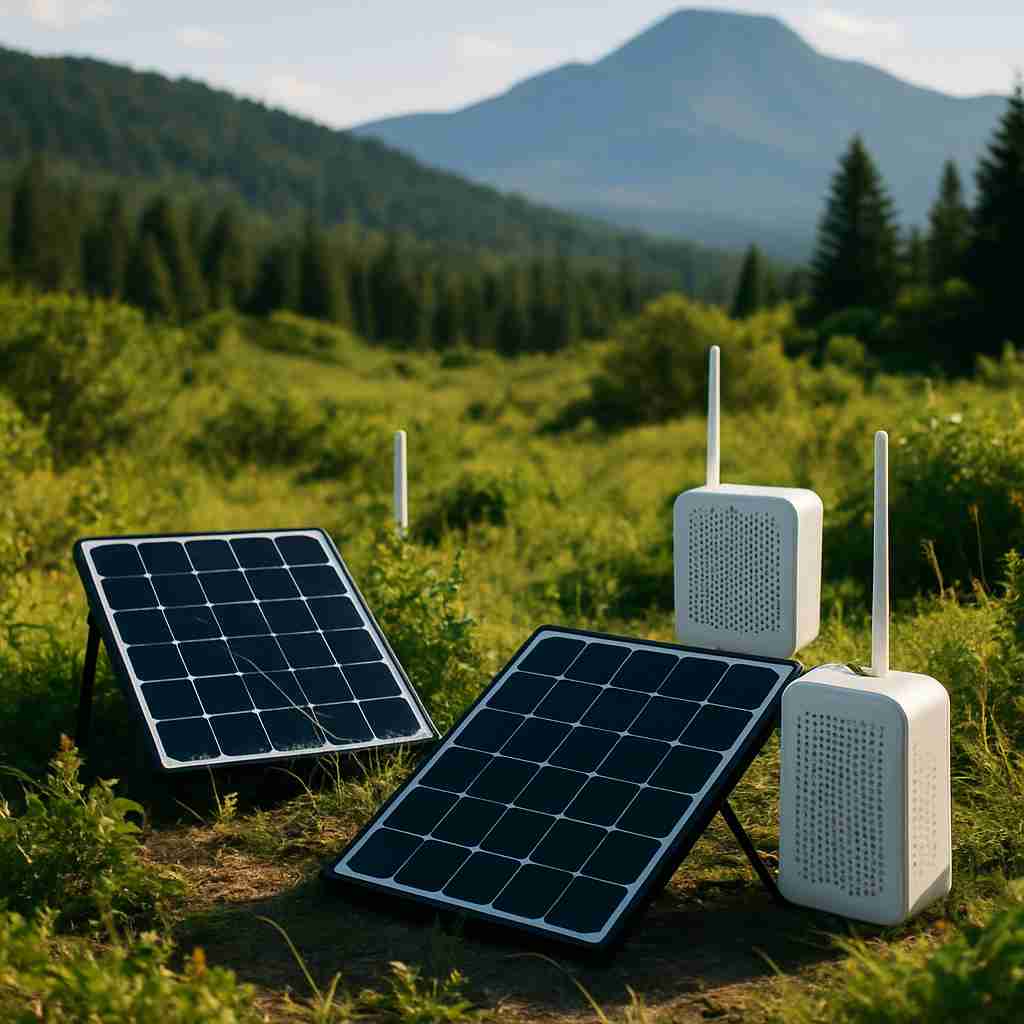
In scenarios where conventional infrastructure is missing, LoRa-based mesh networking stands out as a revolutionary solution, guaranteeing reliable connectivity. These systems thrive by independently routing information through numerous nodes, which makes them highly durable in chaotic environments. By eliminating the necessity for a central hub, their decentralized design permits effortless communication in remote locations.
Take emergency response, for example, where rapid and trustworthy data exchange is vital—LoRa-based mesh networking proves invaluable by enabling live coordination among rescue squads even when traditional networks collapse. Furthermore, this technology enhances rural communication by connecting regions overlooked by major telecom carriers, ensuring residents stay linked. In the context of IoT, mesh platforms adeptly handle data from scattered sensors, gathering and transmitting vital information without depending on mainstream internet access. Meshtastic is a prime illustration, delivering an affordable yet powerful option for these remote communication systems. Thanks to their flexibility and robustness, mesh networks are transforming connectivity in the toughest environments, fostering a future where geography no longer hinders communication.
MeshCore Protocol and Its Innovations
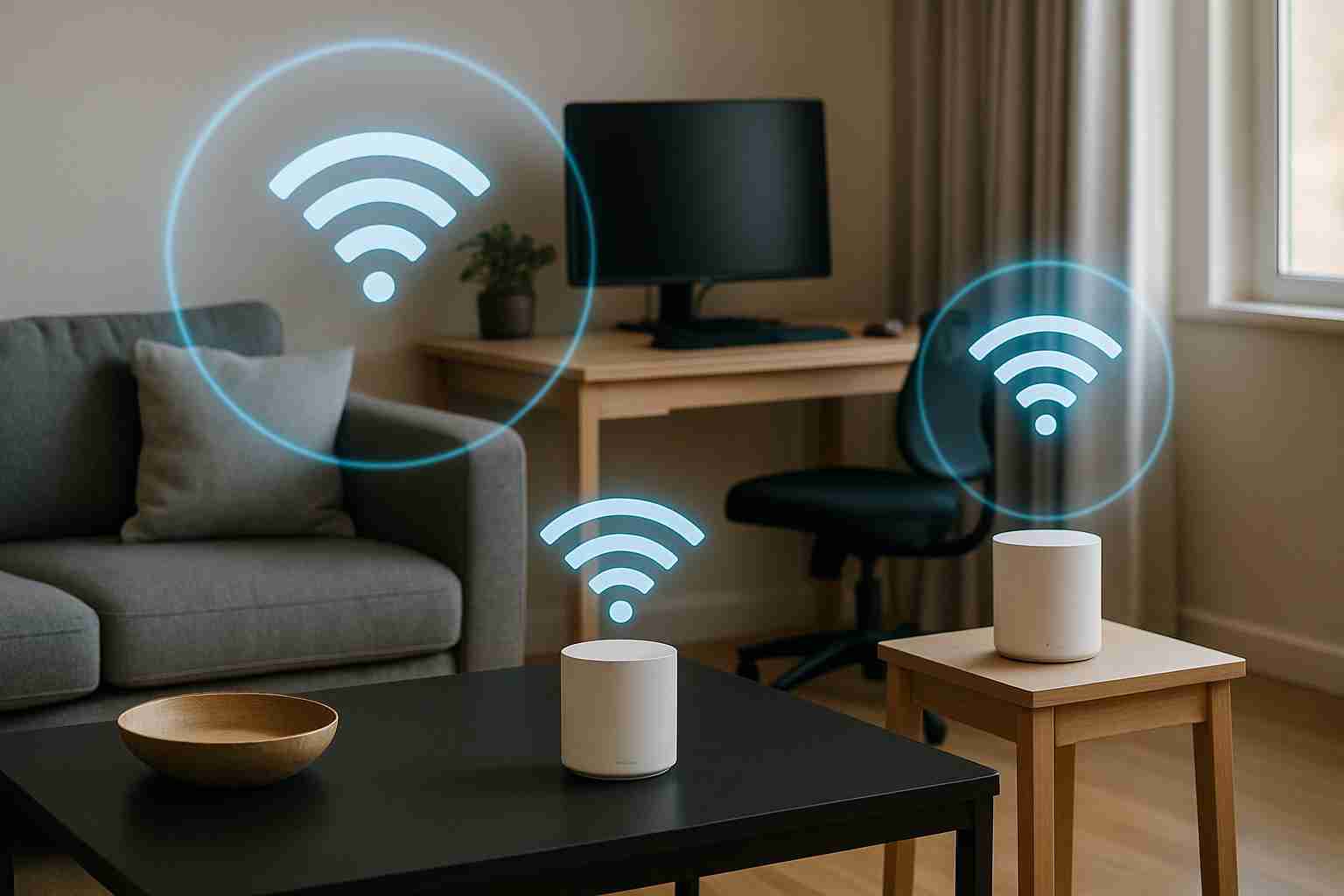
The MeshCore protocol leads the way in LoRa-based mesh networking, introducing key advancements that enhance energy efficiency and scalability. Unlike traditional architectures, MeshCore utilizes structured routing combined with a store-and-forward strategy to handle data flow more effectively. This method not only lowers power usage but also prolongs the lifespan of each network node. Its distributed IoT systems let every device operate autonomously, guaranteeing robust communication links through a multi-tier routing protocol.
Security is a cornerstone of MeshCore’s framework. It applies strong encryption schemes to protect data integrity and confidentiality, a vital factor for preserving user trust, especially in sensitive use cases. By decentralizing network control, MeshCore eliminates single points of failure, boosting both reliability and adaptability.
In comparison to other solutions, MeshCore stands out with its ability to manage expansive deployments without sacrificing efficiency. This scalability meets the needs of various scenarios where uninterrupted communication is crucial. Deploying MeshCore in LoRa-based mesh networking marks a major leap forward, bridging connection gaps and enabling sturdy, off-grid communication solutions.
Decentralized Networks for Long-Range IoT Connectivity
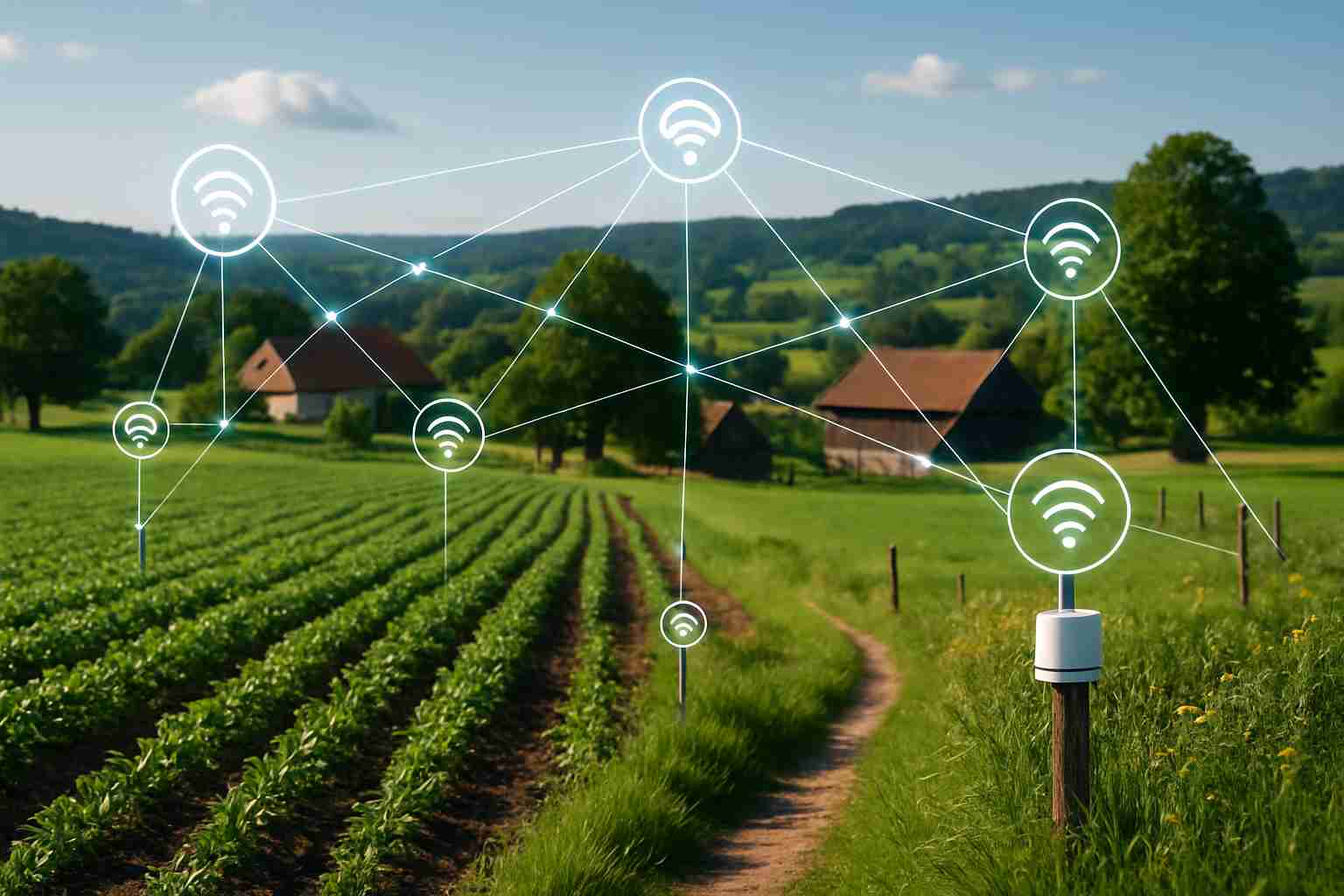
Decentralized mesh networks greatly enhance IoT connectivity and act as revolutionary tools in fields like agriculture, logistics, and smart cities. Utilizing LoRa-based mesh networking, these frameworks allow devices to communicate over long haul wireless networking without relying on central control. Agriculture benefits immensely from this by facilitating constant field condition monitoring, weather forecasting, and crop management optimization through steady data exchange across broad landscapes. In logistics, these distributed wireless networks simplify asset tracking, cutting delays by ensuring continuous communication between moving shipments and their monitoring platforms.
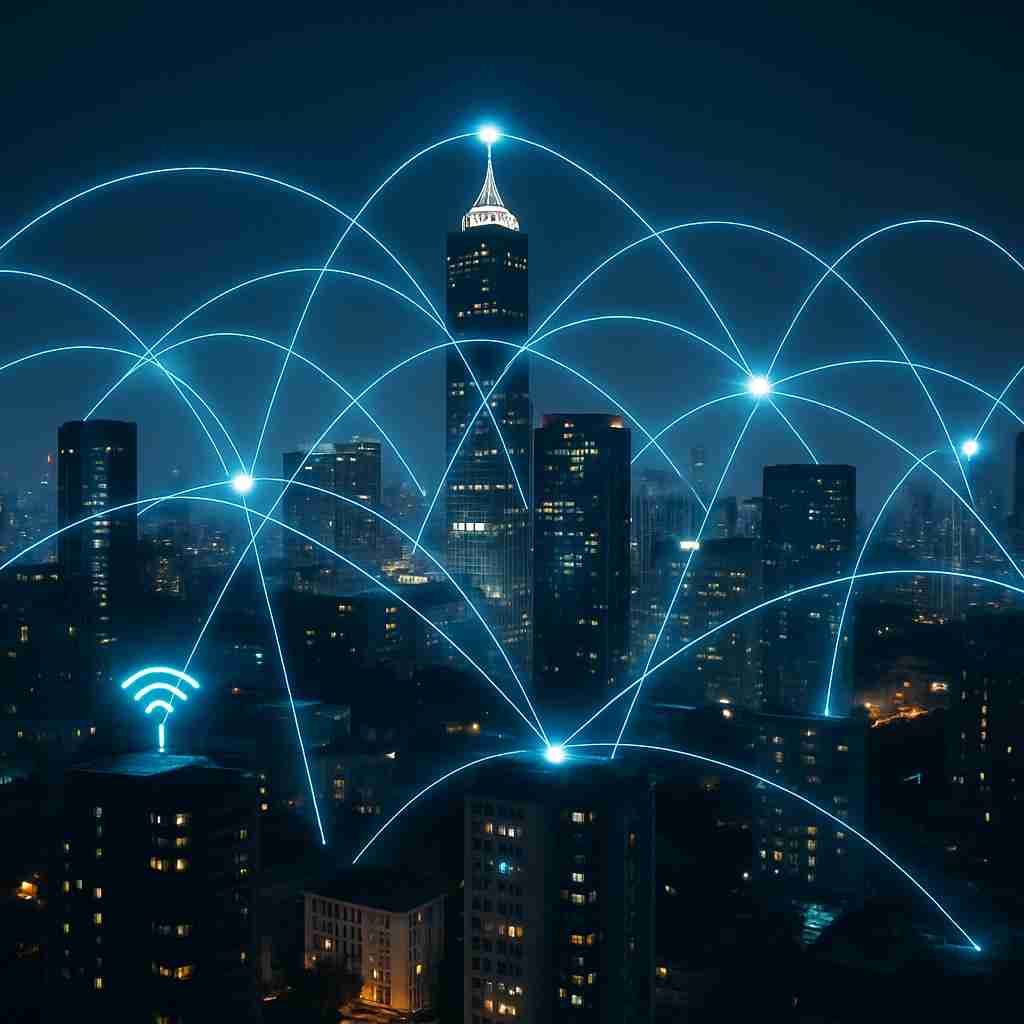
In metropolitan settings, decentralized Internet of Things infrastructures are foundational to smart cities, enabling smooth coordination between infrastructure elements—such as traffic controls and emergency communication systems—thus promoting efficiency and robustness. What distinguishes mesh wireless networks is their inherent autonomous repair mesh networks capabilities. When a node malfunctions or environmental conditions shift, the system autonomously adapts, maintaining uninterrupted data transmission.
Their resilience is invaluable in situations demanding constant coverage, guaranteeing stable connectivity despite obstacles. Thanks to innovations in LoRa-based mesh networking, these autonomous communication solutions not only close connectivity gaps but also pave the way for future IoT implementations, offering robust standalone communication networks.
The Future of Low-Power Mesh Devices
Looking ahead to the evolution of ultra-low-power IoT mesh devices, a number of cutting-edge innovations are set to transform our connectivity paradigms. Leading this shift are advances in LoRa-based mesh networking. These improvements aim not only at minimizing energy consumption but also at boosting both coverage and data safety. Breakthroughs in this field have the goal of significantly extending device battery longevity, thereby enhancing sustainability and operational efficiency. By employing sophisticated modulation methods alongside energy-saving wireless technologies, researchers are exploring ways to effectively double the coverage area without ramping up power demands.
Security remains a fundamental pillar in connectivity and is undergoing major enhancements. The introduction of innovative cryptographic techniques guarantees data authenticity and shields against cyber intrusions, thereby reinforcing trust in autonomous communication solutions. Meanwhile, regulatory progress helps open doors for these technologies across new regions, backed by international standards that encourage seamless interoperability.
Integrating LoRa-based mesh networking across various industries is poised to drive sustainable expansion in smart systems. These energy-efficient IoT mesh nodes play a pivotal role in strengthening interconnected environments — from intelligent urban grids to remote agricultural sites — by delivering resilient, affordable network answers that adapt fluidly to evolving demands.
Conclusions
LoRa mesh communication benefits mark a crucial breakthrough in ensuring widespread connectivity, extending even past conventional infrastructure limits. Industries can harness protocols such as MeshCore and utilize ultra-low-power IoT mesh devices to gain access to live data transmission protocols vital for many real-world uses. With ongoing technological progress, these mesh networks’ influence will grow, becoming fundamental components in strategies for worldwide communication.